26Aug
By: Dela Ahiawor, CAJ International Magazine, West Africa Bureau Editor, Ghana.

Saša Dobrijević, Founder and CEO of ICJ Global Media Group LLC
A 132-day diplomatic mission to the United States has repositioned the South Asian Association for Regional Cooperation Journalist Forum as a global media player — and opened the door to direct collaboration with African journalists.
Between April 10 and August 20, 2026, SJF International President Raju Lama led the longest overseas engagement in the Forum’s history.
The goal: take South Asian journalism into global policy spaces, defend correspondents abroad, and build partnerships that would last beyond the trip. By the time he returned to Kathmandu, SJF had addressed UN bodies, secured solidarity from the U.S. Foreign Press Association, and signed a 3-year strategic MoU with the Intercontinental Connection of Journalists.
Talks have also now begun with the Congress of African Journalists on a direct South-South media corridor.
Why the U.S.? Why Now?
2026 is a pressure point for South Asian media. Four SAARC countries are heading to national elections between late 2026 and 2027. AI-generated disinformation is spreading in more than 20 languages. Journalists face arrests, legal harassment, and physical threats from Kashmir to Chittagong. On his return, Lama said the world was already discussing South Asian journalists at the UN and in Washington. “SJF needed to be in those rooms too. The U.S. program had 3 objectives:
1. Access: Put SJF inside rooms where global policy is made.2. Defense: Protect the rights and working conditions of South Asian correspondents in the U.S.3. Partnerships: Secure training, safety tools, and resources to take back to member countries.
Inside the United Nations: April 13-24
Lama’s first major stop was UN Headquarters in New York. At the 25th Session of the Committee of Experts on Public Administration, April 13-17, he met diplomats from Nigeria, Kenya, Brazil and Indonesia to discuss transparency, access to information, and the role of media in accountability.
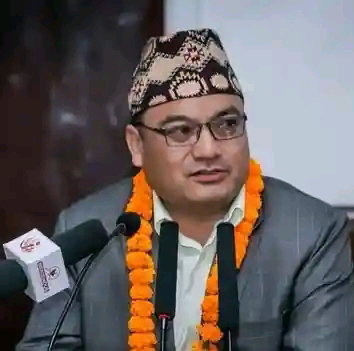
SJF International President Raju Lama
At the ECOSOC Forum on Financing for Development and SDG Investment Fair, April 20-24, he argued that journalism is development infrastructure. “Without credible information, development funds cannot be tracked and citizens cannot participate,” he told delegates.
Over 10 days, Lama held 17 meetings with UN media officers, SAARC diplomatic missions, and civil society. SJF’s 2025 report Attacks on Journalists in South Asia was circulated to 6 UN agencies. Three agencies requested SJF to consult on 2027 media literacy programs for youth in South Asia.
Newsroom Diplomacy: The Foreign Press Association
On April 28, Lama met Ian Williams, President of the Foreign Press Association of the United States.
The FPA represents more than 700 foreign correspondents, including 14 from South Asia.
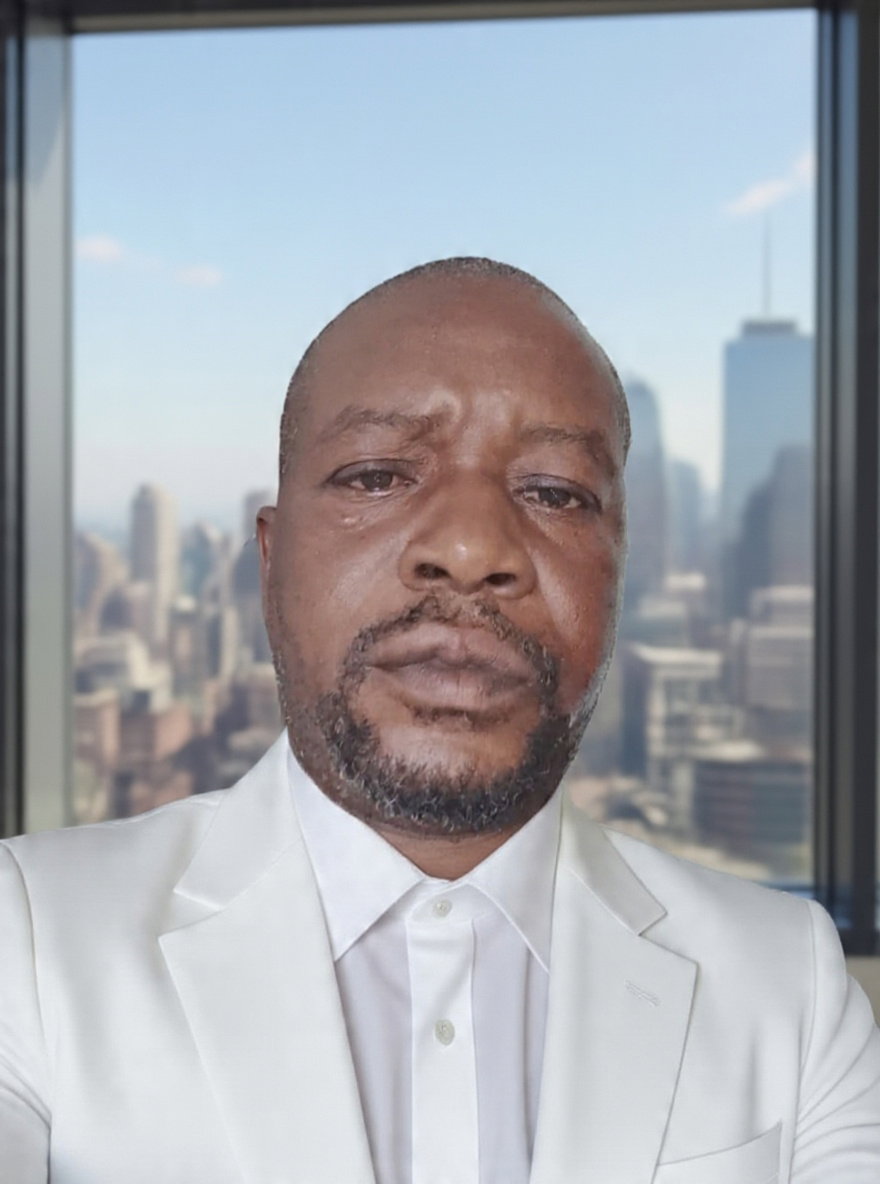
Michael Adeboboye, CAJ International President, Editor-in-Chief, CAJ International Magazine and Member, Editorial Board, Times Asian Publication.
Their shared issues:
visa delays, restricted access to Capitol Hill briefings, and pressure on international outlets. The meeting produced 2 outcomes:
1. FPA-SJF Solidarity Statement condemning visa backlogs for South Asian journalists and calling for expedited processing.
2. Exchange Pipeline: 5 South Asian journalists nominated for the FPA’s 2027 fellowship program.Williams noted that correspondents from Dhaka and Delhi face the same barriers as those from Lagos and Nairobi. “
"Media bodies need to work together to protect press freedom globally. Advocacy and Representation.
Throughout the 4 months, press freedom remained central. SJF monitored cases in Nepal, Bangladesh and Pakistan, and issued solidarity with the U.S. Press Freedom Coalition.
At 3 panels and 12 networking events in New York and Washington, Lama pushed back against crisis-only coverage of South Asia. He highlighted community radio in rural India, fact-checkers in Sri Lanka, and women climate reporters in the Maldives. He also framed journalism as a bridge for peace, dialogue and democratic values.
The ICJ Partnership:
Signed July 31, 2026
The most significant institutional outcome came on July 31.In a cross-continental signing, Raju Lama signed for SJF in New York, while Saša Dobrijević, Founder and CEO of ICJ Global Media Group LLC, signed in Belgrade, Serbia.
Under the 3-year MoU:-
SJF joins the ICJ Friends institutional network
- R
reciprocal digital promotion and an official SJF profile on the ICJ platform.
- SJF journalists gain access to ICJ training, press credentials, publishing opportunities, global panels, and ICJ awards
- Premium members get access to the ICJ Marketplace for international distribution of investigative work.
Speaking on the partnership, Dobrijević said: “This reflects the very purpose for which ICJ was founded — to build lasting bridges between journalists who share the same values and the same sense of responsibility, regardless of where they call home.
For Lama, the deal gives SJF global reach while keeping its South Asian mandate.Building Bridges to AfricaWith the ICJ pact in place, SJF turned to other regions facing similar threats.
The Congress of African Journalists, led by International President Michael Adeboboye, has since 2020 defended press freedom and built capacity across Africa.
Registered in Nigeria, CAJ now operates as a pan-African movement.Following Lama’s U.S. mission, SJF and CAJ began talks on direct collaboration. Both face disinformation, shrinking civic space, journalist safety issues, and funding gaps.
Adeboboye said: “For too long, Africa and Asia have been in separate rooms talking about the same problems. President Raju Lama’s work in the United States shows what is possible when we step out and meet. SJF’s new partnership with ICJ creates an opportunity. CAJ is ready to work with SJF on journalist training, safety alerts, and cross-border reporting. By 2027, we aim to train journalists across both continents and ensure that when one of us is attacked, the other will speak. The Congress of African Journalists stands with SAARC Journalist Forum. Our newsrooms are now linked. The goal is a South-South media corridor where resources, alerts, and stories move between Asia and Africa without Western gatekeepers."
What’s Next:
The 2027 Roadmap
From the MoU and new partnerships, SJF outlined 4 priorities:
1. Training: Joint digital safety and verification clinics for 2,000 journalists through the ICJ network, with modules in South Asian languages.
2. Rapid Response: A shared alert system for attacks on journalists in Asia and Africa, with joint SJF-CAJ statements within 24 hours.3. Exchanges: 5 South Asian journalists for FPA 2027, plus new South-South exchange tracks between SAARC and African newsrooms.
3. Visibility: More South Asian stories in global media through ICJ platforms and co-publishing agreements. SJF will also host a regional conference in Dhaka later this year to bring ICJ and CAJ representatives together with South Asian editors.
Lama’s Take-Home:
For Lama, the trip was about access and positioning.
Access: Entry into UN policy discussions and U.S. media institutions.
Institutional Strength: 3-year MoU with ICJ signed with Founder Saša Dobrijević.
Solidarity: Direct talks initiated with CAJ under President Michael Adeboboye.
Opportunity: Pathways for training and reporting across 16+ countries. Lama said:
“The challenges facing journalists are global and require cooperation beyond borders. We went to speak for South Asian journalists.
We came back with partners and a platform. Between April 10 and August 20, 2026, Raju Lama used his U.S. presence to promote South Asian journalism, press freedom, and international cooperation.
The July 31 MoU with ICJ gives SJF a 3-year institutional home in the global network. The follow-on engagement with CAJ points to a wider South-South media alliance.
From Kathmandu to the UN to Belgrade, the message is clear: the future of journalism will be defended together. Not by waiting for others to tell our stories, but by building the networks to tell them ourselves
*Meta Title* `SJF Signs 3-Year ICJ Pact as Talks Begin with African Journalists | Raju Lama` *Meta Description* `After 132 days in the US SJF President Raju Lama secured a 3-year partnership with ICJ and launched direct talks with CAJ. A new South-South media alliance is forming to defend press freedom across Asia and Africa SJF SAARC Journalist Forum CAJ Congress of African Journalists ICJ Intercontinental Connection of Journalists Raju Lama Michael Adeboboye Saša Dobrijević press freedom South South media South Asian journalists African journalists journalism partnership
Comments
