Africa remains the world's richest continent in resources but poorest in living standards, trapped in a maze of corruption, border disputes and ethnic conflicts left behind by colonialism. Today, new fault lines over water, ports and secession are pushing the continent to the brink. In this piercing analysis, Egyptian writer Khaled Suleiman argues that Africa's wounds are no longer self-inflicted alone, but deepened by outside powers — from America, Russia and China to Iran, the UAE and others — turning the continent into a chessboard for global rivalry. He calls for an African consensus to expel external interference and put Africa first.
Read MoreAbout
Objectives
Objectives of Congress of African Journalists (CAJ)
1. Seeking to establish a Pan African journalists organisation with the aim to bring together, under one umbrella, journalists of Africa origin, both conventional and non-conventional, establish greater unity, cooperation and solidarity.
2. To raise awareness among journalists and media professionals in Africa through education of the importance of ethics, human rights and good governance in the exercise of journalism and the administration of news media.
3. To promote and encourage interaction between journalists in all its forms on the value of informed, ethical journalism in Africa
4. To advance the education, skills and competence of people engaged in all forms of journalistic work at all levels of media and across all platforms (New Media/Social Media and the conventional media) of media throughout Africa and the rest of the world
5. We also seek to promote the dignity and honour for the status of journalism by enhancing levels of skill and knowledge of ethical principles within media, particularly through training and education of journalists, media managers and owners
6. Appraise critically, current ethical challenges and governance issues affecting journalists and their work, seek to resolve these issues through information sharing; country missions; targeted research; and distribution of reports and materials on matters of contemporary concern to journalists and media professionals which will be freely available to all
7. The organisation seeks to promote unbiased investigative and interpretative journalism, elimination of hate speech, fake news and to eliminate any form of government or external influence on journalists and journalism
8. Monitoring members in order to promote best practices or advocate for improvement with respect to coverage of the African community and Africans in the Diaspora.
9. Promote and encourage good leadership and governance in Africa countries through awards and recognitions and also honors journalism excellence and outstanding achievement.
10.Seeking to serve as platform for credible news and information dissemination in Africa continent.
Board of Trustees Roles
Fundamental Responsibilities:
The Board of Trustees shall have the fundamental responsibilities of providing the organisation with sound governance, fiduciary and strategic oversight and direction. The board shall oversee the operations of the organisation, ensures that the public’s trust is upheld. It shall ensure the organisation’s financial integrity and ethical practices. It shall ensure legal requirements are met and established procedures to safeguard the organisation from fraud and risk.
Duty of Care:
The board members shall discharge duties in good faith. Board members shall: Attend board and committee meetings, Prepare for meetings in advance, Review financial reports and other critical information regularly, Exercise independent judgment, Request information needed for decision making.
Duty of Obedience:
The board members shall make decisions in accordance with the objectives of the organisation, uphold its bylaws, policies, and functions, and not act in a way that is inconsistent with the central goals of the organisation. The board members shall: Ensure compliance with all reporting requirements, Examine all legal and governing documents, Make decisions within the scope of the objectives and the law.
Loyalty:
The board members shall act in the interests of the organisation and not their own personal interests or the interests of some other person/organization. The Board Member shall: Adhere to the conflict of interest policy, Disclose all conflicts, Avoid the use of the organisation’s opportunities for personal gain, Maintain confidentiality of information held by the organization
Roles:
The board members must be: Loyal, and Obedient. Leadership positions are created within the Board of Trustees to assure that responsibilities are fulfilled.
Leadership
Ayodeji Michael Adeboboye
Chairman Board of Trustees/Editor-in-Chief, CAJ International Magazine
Michael Adeboboye, Chairman Board of Trustees, Congress of African Journalists and Editor in Chief, CAJ International Magazine. Ayodeji Michael Adeboboye is a Nigerian independent and freelance journalist whose works have been published in Africa, Europe, the Middle East, UAE, Asia, and the United States of America. He is a newspaper and magazine editor and publisher, and a citizen of Ondo State, Nigeria. Michael began his media journey in 1995 in the Sales and Marketing Department of The Daily Times of Nigeria PLC, Agidingbi, Ikeja, Lagos — then the largest print newspaper outfit in West Africa. That experience gave him early exposure to media and shaped his decision to pursue journalism. After ventures in private business, electronics engineering, and architecture, his passion for journalism led him to study at the Nigerian Institute of Journalism [NIJ] in 2000. His first professional role was as a freelance reporter with _The Key Newspaper_ in Ondo State. He went on to work with several private newspapers and magazines at local and national levels, and later co-founded National Watch Magazine in Lagos, where he served as Editor-in-Chief. A conceptualist and passionate advocate for the welfare of African journalists and media ethics, Michael founded the Congress of African Journalists [CAJ] in 2020. CAJ is a registered pan-African organization of journalists with the Corporate Affairs Commission in Nigeria. He currently serves as Chairman of the Board of Trustees and Editor-in-Chief of CAJ’s globally recognized publication. Key Achievements - Founded CAJ in 2020: Built a registered pan-African organization to unite journalists, defend press freedom, and advance journalist welfare across the continent - International Journalism: Published articles and reports in media outlets across Africa, Europe, Middle East, UAE, Asia, and USA - Editorial Leadership: Served as Editor-in-Chief of National Watch Magazine and currently leads CAJ’s global publication as Editor-in-Chief - Institution Building: Established CAJ’s digital platform and advocacy programs to train, connect, and protect journalists across Africa - Media Advocacy: Spearheads campaigns on journalist safety, ethics, and working conditions for African journalists - Career Milestone: Started at The Daily Times of Nigeria in 1995, giving him over 30 years of experience across print, editorial, and media advocacy Michael believes that a free, safe, and ethical press is critical to Africa’s democracy and development. Through CAJ, he continues to work to ensure African journalists have the tools, protection, and voice they deserve.
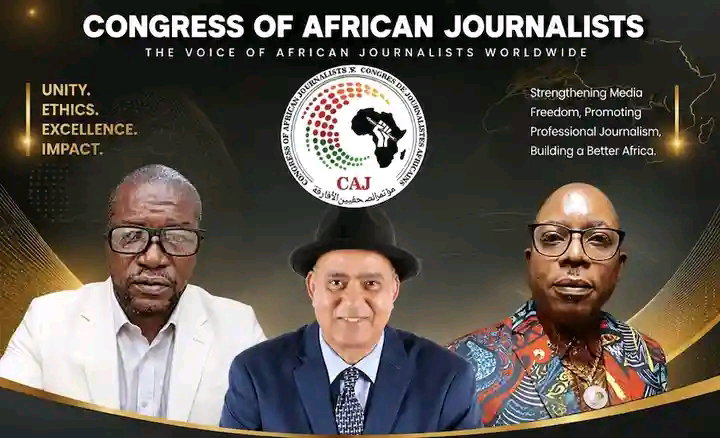
Dr. Ashraf Aboul-Yazid Dali
Member: Board of Trustees/Secretary General
Dr. Ashraf Aboul-Yazid, Secretary General of Congress of African Journalists (CAJ). He is a poet, novelist, translator and journalist from Egypt. Author and translator of 44 books of poetry, novels, biographies, criticism, children’s literature and translations. As a journalist, he worked in Egypt, Oman, Kuwait, Saudi Arabia and Korea.
Ajong M. Laurean
Member, Board of Trustees
Ajong Mbapndah L is a creative media professional with strong leadership and management skills, knowledge of Sub Sahara Africa, and hands-on experience in media editing, writing, and interviewing high profile personalities from Presidents, Prime Minister, Ambassadors, and numerous diplomatic, political, business personalities, and more. He is Founder and Managing Editor of Pan African Visions, a leading publication on African perspectives with operational base from the Washington, DC metro area and a growing network of over twenty journalists spread across Africa. He over sees the running of the news site www.panafricanvisions.com, and the monthly Pan African Visions magazine. He has been accredited with the Washington Foreign Press Center over the years. Some of the high-profile events he has covered include the USA-African Leaders Summit in 2014, and 2022, the Democratic Party convention of 2016 in Philadelphia, numerous editions of the US-Africa Business Summits and more. Ajong has had stints running a parliamentary office, working with diverse newspapers in Cameroon, and making African themed contributions to a number of international publications. He served as a reviewer of the Africa Integrity Indicators, Global Integrity, for Cameroon, Burkina Faso, Algeria, Lesotho, Zimbabwe, Egypt, Chad, DRC, 2013-2014. Ajong also served as a Mandela Washington Foundation Reader in 2016, 2017, and 2019.Most recently, he was a Judge on the 2021 African Business Heroes Prize Competition, the flagship philanthropic program of the Jack Ma Foundation spotlighting and celebrating Africa’s entrepreneurs. He holds Bachelor’s Degree and a Post Graduate Diploma in Law from Universities in Cameroon, and a Master’s Degree in mass communication from the Virginia Commonwealth University in USA.
Aremo Olusiji Balogun
Board Member/Treasurer
Olusiji Balogun is a media expert and an experienced human resources manager. He is the Editor-in-Chief of Eminent Leaders magazine and CEO of Promec Innovative Concepts. He holds B.Sc in Public Administration and HND in Business Administration and Management. A trained journalist with Diploma in Journalism and Public Relations. Olusiji is an organisational growth and business development expert with adaptable skills. A community and social worker and excellent communicator at all levels He is an Associate Member, Chartered Institute of Personnel Management in Nigeria, (CIPM); Full Member, Institute of Professional Managers and Administrators in Nigeria (IPMA) and recipient of many awards and certificates in recognition of his contributions to the uplift of the society. His hobbies apart from writing include travelling, reading, surfing the internet and adventures. He currently has his hands in farming and some self-help community projects. Olusiji Balogun is the founder of Olusiji Balogun Foundation an NGO established to saving lives.
Dela Ahiawor
Vice President West Africa/ Bureau Editor, CAJ International Magazine
Dela Ahiawor is a journalist from Ghana and West Africa Vice President of the Congress of African Journalists (CAJ). Drawing on over two decades of experience, he serves as CAJ International Magazine's West Africa Bureau Editor. He has carved a niche as sustainability editor, focusing on sustainability/ climate related journalism. He is renowned for pioneering green sports ( sustainability in sports) in Ghana and Africa since 2011. For his career milestone, he has reached the Olympics, as an accredited journalist- a long-held dream Furthermore, his dedicated journalistic contributions recently earned him an induction into the distinguished and scholarly Global Cultural Network of the Academy of Farsala in Greece.
Tiblets Tesfaye
Vice President, East Africa
Tiblets Tesfaye is an Ethiopian journalist and media freedom advocate. She serves as the Vice President of the Ethiopian Mass Media Professionals Association (EMMPA) and is the Ethiopia Correspondent for BRICS Africa Channel. Tiblet also participates in the IGAD-ICPAC Media Team, contributing to regional reporting on climate change and resilience in the Horn of Africa. Her reporting focuses on climate change, minority rights, gender equality, social justice, and human rights. She is committed to promoting ethical journalism, media freedom, journalist safety, and amplifying the voices of marginalized communities across Africa.
Donald Tlaka
Southern Africa Representative/Member CAJ Editorial Team
Donald Tlaka is a South African liberal leader, writer, and broadcaster. He serves on the Center for New Liberalism Steering Committee as Vice Chairperson and leads the Johannesburg New Liberals chapter. A policy commentator and radio host, his work focuses on democratic governance, economic reform, youth empowerment, and advancing liberal ideas across Africa through dialogue, advocacy, and institution-building.
Dr. George Otumu
Chairman, CAJ Diaspora
BIOGRAPHY OF DIASPORA CHAIRMAN, CONGRESS OF AFRICAN JOURNALISTS (CAJ): HE'S a multi-award winning investigative journalist, an editor's editor, a renowned media executive with over three decades (35years) in active journalism. Dr. George Elijah OTUMU, a widely travelled press delight who has practiced journalism from Nigeria, Ghana, Liberia; Republic of South Africa, United Arab Emirates (UAE), United Kingdom (UK); Australia, Denmark to the United States of America. He had worked in major newspapers, news journals, and soft-sell magazines in the countries listed above. Until recently when he was promoted to the Executive Editor & Group Managing Director, NAIJA STANDARD NEWSPAPER INC USA, Africa's No 1 Premier Most Read International Online news medium in North America, he was Senior Investigative Editor, American Bureau Chief, NAIJA STANDARD NEWSPAPER INC USA whose media headquarters is in Arlington, Texas. Lists of Media Awards Won: *Nigeria's Best Investigative Journalist of the Year Award NMNA 2009 *Nigeria's Most Outstanding Editor of the Year NMNA 2010 *UNITED NATIONS Media Ambassador of the Year 2009 *Most Resourceful Nigerian Editor in the Diaspora Award 2010 *Africa's Legendary Journalist of the Year in Brussels EANA 2011 *Most Impactful African Editor of the Year in Europe (Austria EMPA 2012) *Best Nigerian Editor in the Diaspora Award 2020 NEA *ICONIC African American Editor of the Year Award 2013 USFMA Washington DC *Global Recognition WORLD CLASS INVESTIGATIVE JOURNALISM Award 2025 in Maryland, USA (first feat ever won by any African Journalist on American soil till date) ...So far, I have won over 80 media awards across the world. OTUMU is an active member of many media associations in every continent of the world. He is the Chairman, Board Editors of EDWIN INC Journal, largest media publishing firm in India. This DIASPORA CHAIRMAN, CONGRESS OF AFRICAN JOURNALISTS (CAJ), studied Journalism at the Nigerian Institute of Journalism, graduated in Public Administration at the then Edo State University (now Ambrose Ali University), studied Creative Writing & News Reporting at the prestigious London School of Journalism and had PhD of Investigative Journalism at America's apex institution, CROWN University, Delaware, USA Born December 16th, 1971
Caroline Ameh
Country Coordinator, Nigeria
Caroline Ameh Caroline Ameh is a Nigerian journalist, editor and social advocate based in Abuja. She is passionate about impactful journalism, public accountability and storytelling that amplifies the voices of underserved communities. She has extensive experience covering politics, governance, business, development and social issues, with her work published across Nigerian and African media platforms, including The Nigerian Observer and Open African Tribune. Caroline is particularly passionate about gender equality, climate change, youth empowerment and community development. She has also participated as a rapporteur and media delegate at national and international forums, contributing to conversations on governance, development and social justice. Through journalism and advocacy, she remains committed to using the media as a tool for informing citizens, promoting accountability and driving positive social change.
Team
Alison Lemeri
Special Contributor (Uganda/South Sudan)
Alison Lemeri is a South Sudanese journalist and contributor for CAJ Magazine based from Uganda.
Oseni Yusuf Salam
General Contributor
Oseni Yusuf Salam, a Journalist, Media Consultant, Researcher, Advocate.
Manuel Camalata
Contributor, Angola
Manuel Camalata is an Angolan journalist, graduated in Social Communication from the Agostinho Neto University, in Luanda.
Ibrahim Sherif
Contributor, Liberia
Ibrahim Sherif Ibrahim Aspen Sherif, a 2020 graduate of the University of Liberia with a BA in Mass-communication.
Eugene Dube
Contributor, Eswatini
A journalist with robust wealth of experience, editor, Mswati online Newspaper
Nia S. Amira Osman
Correspondent, CAJ International Magazine, South East Asia/Indonesia
Nia Amira Osman is a journalist and writer based in Indonesia. CAJ Special correspondent In Southeast Asia.
Membership
Membership of CAJ:
Membership of CAJ is by registration and open to all forms of journalism practices but with emphasis on truth, facts and all ethical standard of journalism.
Media owners/proprietors who are of African origin from all over the world are eligible for application for registration as member of CAJ.
Membership Composition:
CAJ shall be composed of journalists, journalism educators, media owners, students pursuing a career in journalism, mass communication, media related courses and people or entities that support the CAJ’S vision and goals.
Membership Eligibility:
Membership of CAJ shall be by registration with specified amount payable by applicant into the accredited bank account(s), MANUALLY, VIA CAJ’s online payment platforms or recommended officers of CAJ.
1. Lifetime Member
CAJ founders, Members of the Board of Trustees’ and past CAJ presidents NOT REMOVED FROM OFFICE shall be automatic Lifetime members.
2. Professional Member
Professional membership shall be open to any person whose principal livelihood comes from creating, producing or supervising the creation of journalism and related media activities.
3. Affiliate Member
Affiliate membership shall be open to unions/organisations/associations of journalists in Africa, journalists of Africa origin in Diaspora, including organisations that trades in any form of media related activities.
4. Academic Member
Academic membership shall be open to college and university faculty and other academic professionals, including administrators and trainers, with research and or teaching interests in journalism.
5. Veteran Member
Veteran membership shall be open to anyone who has been in the practice of journalism and media professionals for not less than 25 years.
6. Student Members
Student membership shall be open to students of institute of journalism, college or university students including undergraduate, graduate and associate degree students, who have demonstrated interest in journalism and media related courses and trainings.
7. Honorary Membership
The board of trustees shall have the authority to establish foreign colleagues and partnership networks whose works shall be to the advancement of journalism profession in line with objectives and missions of the organisation as honorary membership who shall be non-voting category of membership.
8. Fellowship Membership
Fellows of Congress of African Journalists shall be an honour bestowed on the best in the profession by election at the Board of Trustees in a meeting. The membership is in recognition of distinguished contributions to the journalism profession.
Benefits of CAJ's Membership:
1. Belonging to an international media association committed to advocacy on behalf of member journalists in matters pertaining to professional development and seeking opportunities for professional growth.
2. Being part of an international networking platform with colleague across the African diaspora.
3. Access to information on Training and up skilling opportunities.
4. Discover, launder and share ideas on CAJ platform based on critical thinking and objectivity.
5. Sharing of opportunities on employment opportunities, collaboration and referrals.
6. Content sharing about happenings around the globe and access to reliable information from members.
7. Members can serve as fixers in their respective countries to fellow colleagues who are also members of CAJ.
8. Travel opportunities across Africa for media seminars and conferences.
Registration
You've already responded.
You can submit this form only once.Kindly pay membership registration fee into the bank account below and fill the fields in the form to join as member of Congress of African Journalists.
Account details:
Name: Congress of African Journalists
Bank: Providus
Account number: 963 451 0587
(1). Professional ($35)
(2). Affiliate ($350)
(3). Academics ($50)
(4). Veteran ($40)
(5). Student ($15)
(6). Lifetime ($1000)
NOTE: ONLY MEMBERSHIP REGISTRATION WITH FEES PAID WILL BE PROCESSED
Account details:
Name: Congress of African Journalists
Bank: Providus
Account number: 963 451 0587
(1). Professional ($35)
(2). Affiliate ($350)
(3). Academics ($50)
(4). Veteran ($40)
(5). Student ($15)
(6). Lifetime ($1000)
NOTE: ONLY MEMBERSHIP REGISTRATION WITH FEES PAID WILL BE PROCESSED
Forum
Welcome to our new forum.
Here you can find a great community for sharing new ideas and talking about day-to-day life.
Here you can find a great community for sharing new ideas and talking about day-to-day life.
Online Courses
Contacts
- 13 Olaleye Street, Somolu, Lagos, Nigeria
- Contact other Regions on available contacts
 +undefined-9034766543 - CAJ International Headquarters
- +undefined- 77707870 - CAJ Central Africa Region
- +undefined- 109 575 5602 - CAJ North Africa Region
- +undefined- 84 686 1394 - CAJ Southern Africa Region
- +undefined- 61 5540001 - CAJ East Africa Region
- +undefined- 24 758 1838 - CAJ West Africa Africa
- congressofafricanjournalists@gmail.com, contact@cajintl.org
- Mon-Fri - 08:00-19:00
Awards
11 min read
0 Comments
CAJ Intl Mag
10 min read
0 Comments

11 min read
3 Comments
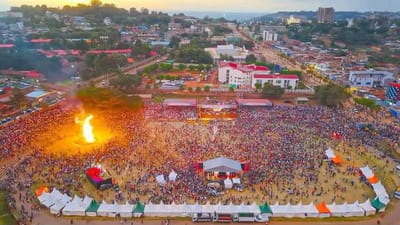
Wolaita people mark Gifaataa New Year in Sodo, South Ethiopia — a 10-day UNESCO heritage festival of fire, reunion, reconciliation and renewal.
Read More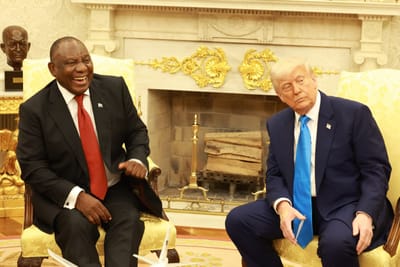
12 min read
0 Comments
US-South Africa ties hit new low over visas and tariffs. Can former President Thabo Mbeki repair the rift between Pretoria and Washington?
Read More
10 min read
0 Comments
As the world heads to COP31 in Antalya, Türkiye, a new financial frontier is reshaping climate action: carbon finance. With global carbon markets now valued at nearly $890 billion, nations are racing to turn emission cuts into investable assets. Ghana is seizing that moment. Having just joined the Coalition to Grow Carbon Markets alongside Türkiye and Luxembourg in August, the West African nation is positioning to unlock billions for clean cooking, forests and renewable energy. But can Ghana scale fast while ensuring integrity and avoiding greenwashing? West Africa Bureau Editor Dela Ahiawor examines how Ghana is aligning local ambition with this global strategy.
Read More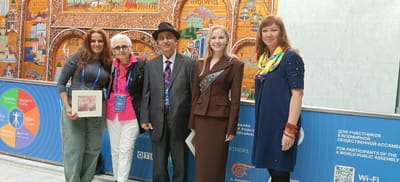
47 min read
0 Comments
26 min read
0 Comments
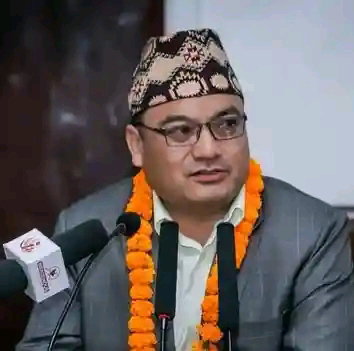
SAARC Journalists Forum President Raju Lama: South Asian Journalists Must Unite for Rights and Safety SAARC Journalists Forum President Raju Lama Interview: Dialogue and Cooperation for South Asian Press Freedom SAARC Journalists Forum President Raju Lama at International Media Summit 2026 Jamalpur calls for South Asian journalists unity on rights, safety and press freedom. coverage of Raju Lama, President of SAARC Journalists Forum International / SAACR, at International Media Summit 2026 Jamalpur, Bihar, India. Attended by Dr. Bhim Singh MP, organized by All India Journalists Union AIJU. Journalists from Nepal, India, Bhutan, Bangladesh, Sri Lanka discuss cross-border challenges: low wages, safety risks, political pressure, digital shift. Lama stresses cooperation beyond news exchange to journalists' rights, professional safety, and SAARC media dialogue. Raju Lama, SAARC Journalists Forum, SAACR President, International Media Summit 2026, Jamalpur Bihar Media Summit, South Asian Journalism, AIJU, SAARC press freedom, All India Journalists Union, South Asian journalists safety
Read More
15 min read
0 Comments
CAJ President Michael Adeboboye: Why CAJ is the Hub and ICJ is a Strategic Door - Exclusive Interview CAJ President Adeboboye: CAJ is the Hub, ICJ is a Powerful Door for African Journalists | Exclusive Interview CAJ President Michael Adeboboye reveals why CAJ partnered with ICJ, how CAJ remains the hub for African journalists, and the Musketeers of Truth doctrine. Exclusive interview with Michael Adeboboye, International President of Congress of African Journalists (CAJ). He explains CAJ's global expansion strategy, why CAJ remains the home and ICJ is a strategic partner, the 9 pillars of CAJ-ICJ partnership, verifiable global press card, publishing and marketplace for African exclusives, and One for All, All for One doctrine. Michael Adeboboye, CAJ President interview, Congress of African Journalists, CAJ ICJ partnership, CAJ global strategy, African journalists press card, Musketeers of Truth, CAJ International Magazine interview EXCLUSIVE: CAJ President Adeboboye - CAJ is the Hub, ICJ is One Powerful Door We Opened CAJ, Michael Adeboboye, CAJ Interview, ICJ Partnership, African Journalism, Press Card
Read More
40 min read
0 Comments
ICJ Founder Saša Dobrijević: We Are Building a New Global Infrastructure for Journalism ICJ Founder Saša Dobrijević Interview: Why I Built a Media Company, Not Another Association ICJ Founder Saša Dobrijević explains why he registered ICJ Global Media Group LLC in the USA, verified US press card, marketplace for exclusives, and CAJ alliance. Exclusive interview with Saša Dobrijević, Founder & CEO of Intercontinental Connection of Journalists (ICJ) Global Media Group LLC, USA. He reveals why he left IFJ/USPA legacy bodies, how ICJ's self-sustaining model works through memberships and institutional reports, US-registered press card for freelancers, publishing home for foundation-funded journalists, exclusive story marketplace, free training, JTI transparency, IT verification against AI disinformation by Nenad Veljkovic, and historic partnership with CAJ and SAARC Journalist Forum. Saša Dobrijević, ICJ Founder interview, ICJ Global Media Group LLC, Intercontinental Connection of Journalists, US press card, journalism marketplace, freelance journalism publishing, ICJ CAJ partnership, self-sustaining journalism model WE ARE BUILDING A NEW GLOBAL INFRASTRUCTURE: ICJ Founder Saša Dobrijević Exclusive ICJ, Saša Dobrijević, ICJ Founder, Global Journalism Infrastructure, Press Card, ICJ Marketplace
Read More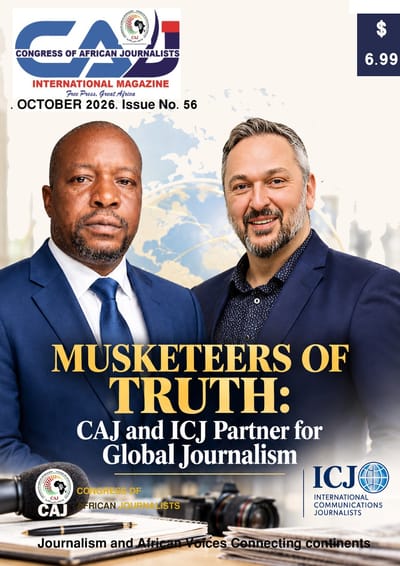
32 min read
0 Comments
"CAJ, Congress of African Journalists, ICJ, Intercontinental Connection of Journalists, SAACR, Global Journalism Partnership, Musketeers of the Truth, Press Freedom Africa, African Journalism, International Journalism Alliance, CAJ International Magazine, Journalism Ethics
Read More
175 min read
0 Comments
The Federal Government of Nigeria is running a ₦49.7 trillion budget. On the streets, Nigerians are running another one. It is not in the appropriation bill. It has no line item in FAAC. It is funded by tithes, offerings, zakat, sadaqah, and volunteer time. It is administered from altars, minbars, and church food banks. Economists call it civil society. Religious people call it faith. Food inflation hit 20.31% in July 2026. Rice, garri, onions, and transport have pushed millions to the edge. Government palliatives are slow. But on Sunday, the offering basket is going to welfare. On Friday, the zakat committee is buying bags of rice. On Wednesday, a bishop is paying hospital bills. “Our problems in the country are self-inflicted,” says Cardinal John Onaiyekan in February 2026. “When the nation is bleeding, you cannot expect a polite meeting with the Head of State.” “Religious differences shouldn't divide us,” says Sheikh Abdullahi Bala Lau in August 2026. “Muslims and Christians have equal stakes in Nigeria.” From Abuja to Ekiti, from Ota to Kano, churches, mosques, and African Indigenous Churches have become the last safety net. This is our cover story “Budget of Faith” in 2026 and how religion is feeding the nation while the state tries to find its balance. Michael Adeboboye, CAJ International Magazine Editor-in-Chief writes.
Read More
49 min read
0 Comments
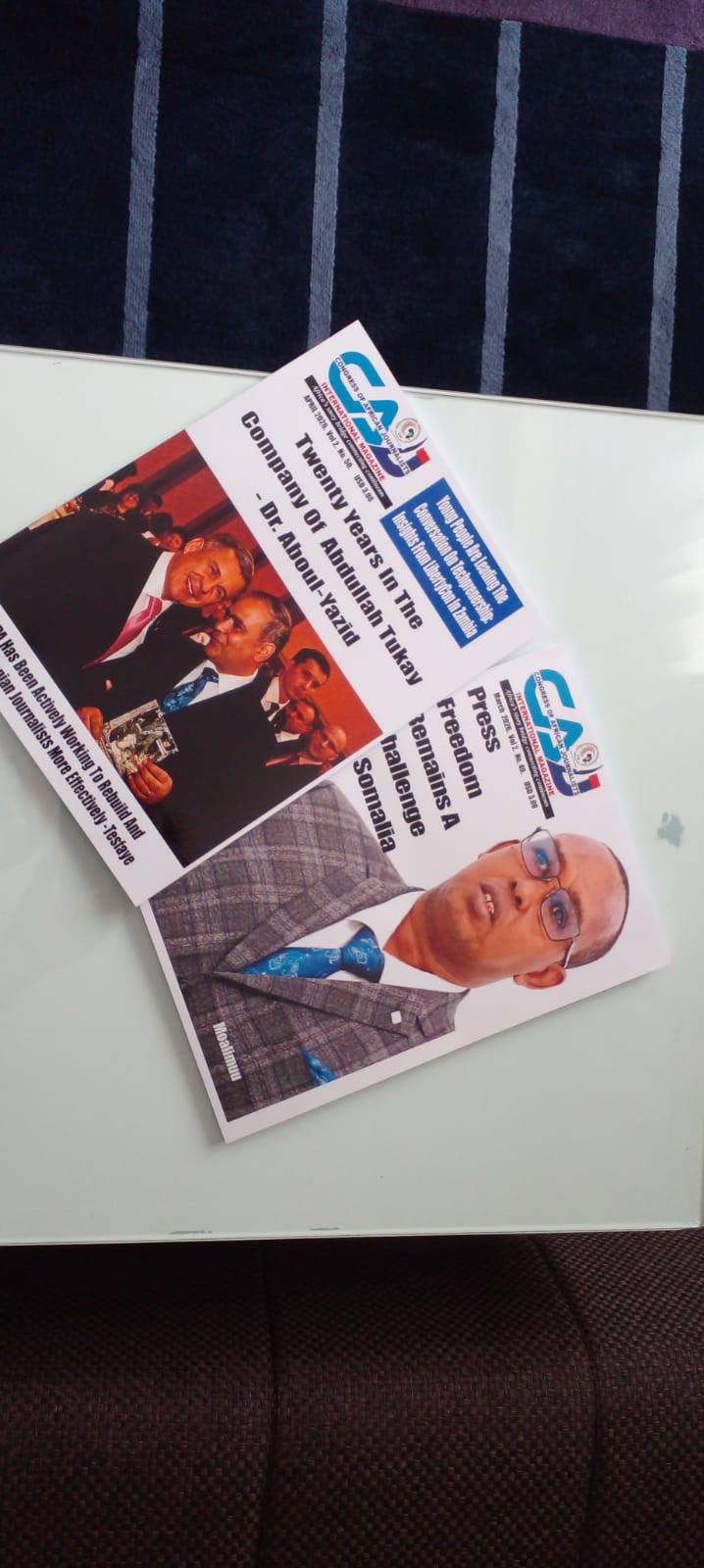
File Manager
CAJ Intl Magazine
August 2026 Edition
Donation
Support and help our organisation
Funding Congress of African Journalists for its effective running and objectives realization.
Goal is 5 million $ per annum
Journalists are working in order to give information to the public. Their work needs support in order for them not to compromise the truth. They need protection and better welfare. African journalists works are facing so much challenges in terms of compensation for their work. They need support.
Use of Funds: Advocacy, Journalists training, workshops, conference , seminar, legal aid publications and family support for African journalists.
Account details:
Name: Congress of African Journalists (CAJ)
Bank Name: Providus Bank
Account Number: 9634510587
Funding Congress of African Journalists for its effective running and objectives realization.
Goal is 5 million $ per annum
Journalists are working in order to give information to the public. Their work needs support in order for them not to compromise the truth. They need protection and better welfare. African journalists works are facing so much challenges in terms of compensation for their work. They need support.
Use of Funds: Advocacy, Journalists training, workshops, conference , seminar, legal aid publications and family support for African journalists.
Account details:
Name: Congress of African Journalists (CAJ)
Bank Name: Providus Bank
Account Number: 9634510587
$50
Download
Download on our website