12Aug
By Angeline Ntakirutimana
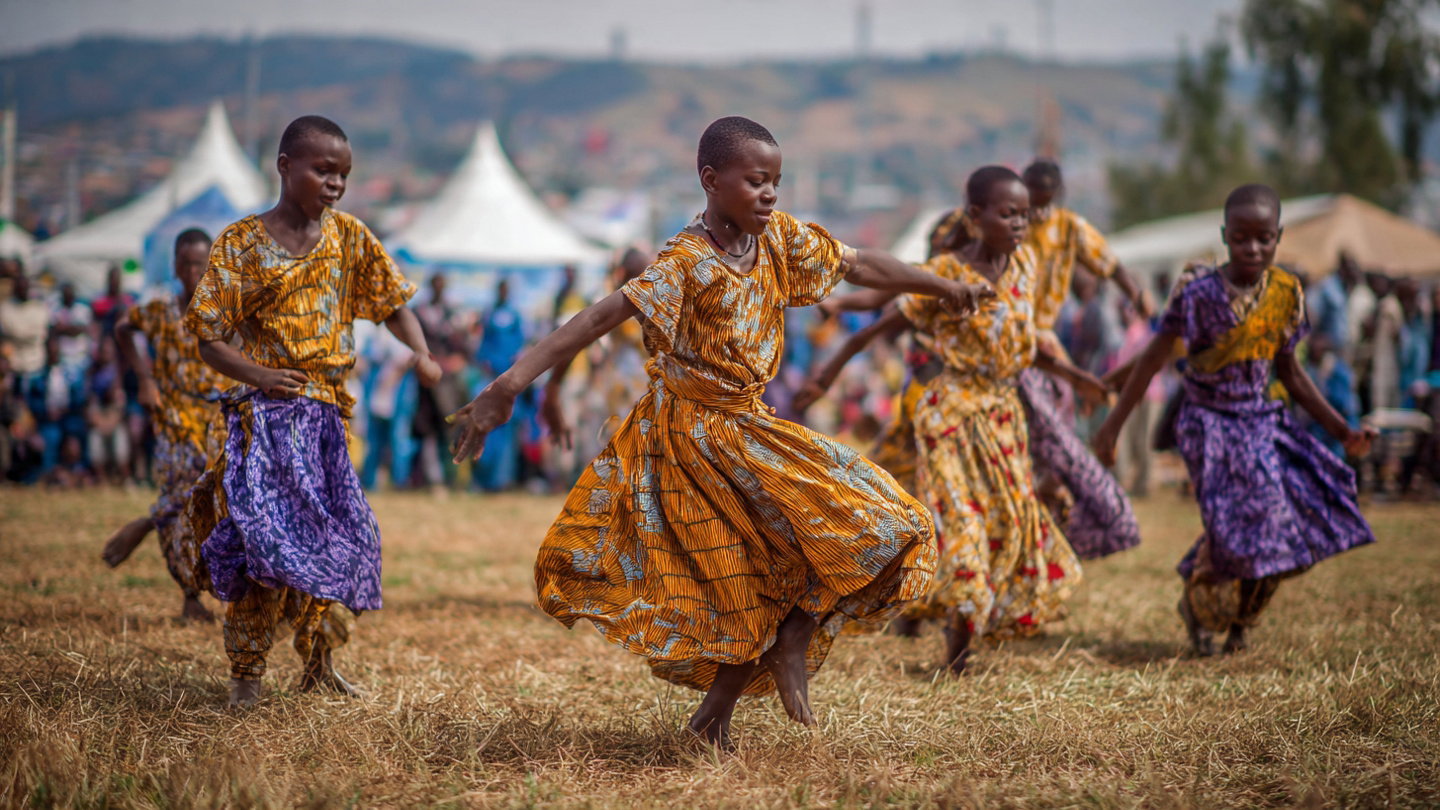
Young Burundians perform intore dance in vibrant traditional fabric.
Umuganuro means “first fruits.” Traditionally, it was the royal harvest festival in the Kingdom of Burundi. The King, Mwami, would taste the first harvest and bless the nation for fertility and peace. Drummers, Abatimbo were sacred. Their rhythms announced war, peace, coronations and mourning.
The festival was banned after the monarchy was abolished in 1966. It survived in villages. In 2011, the government revived it as a national event to promote unity, culture and tourism. By 2026, the Great Cultural Festival had become Burundi’s biggest annual event. It is held every second week of August at the Prince Louis Rwagasore Stadium and surrounding grounds in Bujumbura, with regional editions in Gitega, Ngozi and Makamba.The 2026 Edition: 5 Days That Moved a Nation Day 1: Opening and Royal Drums
15 August 2026. 30,000 people filled the stadium. President Evariste Ndayishimiye arrived with First Lady Angeline. The highlight: 500 Abatimbo drummers from Gitega entered together. Bare-chested, with traditional headdresses, they played the _ikembe_ rhythm for 20 minutes. The ground vibrated.
UNESCO’s representative called it “intangible heritage in motion.” The drums of Burundi were inscribed by UNESCO in 2014. In 2026, they remained the festival’s centerpiece.Day 2: Provinces and Identity
Each of Burundi’s 18 provinces set up a cultural village. Visitors walked from “Kirundo” with fishing nets and banana beer, to “Bururi” with tea and forest dances, to “Cankuzo” with cattle and pastoral songs. The goal was deliberate: show unity in diversity. After years of ethnic conflict, the state used culture to say “we are Burundian first.”Day 3: Youth and Innovation
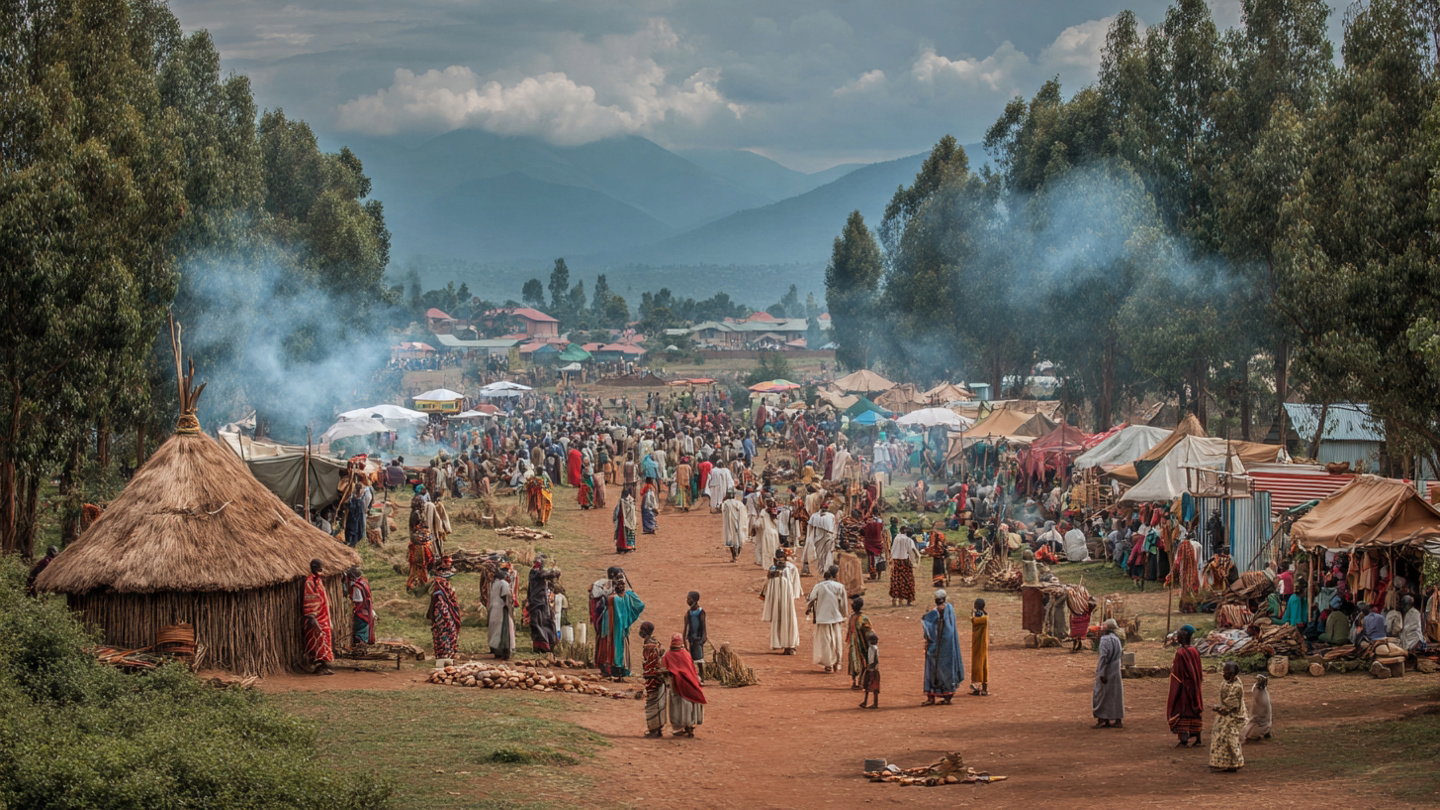
Visitors walk through cultural villages representing Burundi's 18 provinces
2026’s theme: “Our Culture, Our Future.” University students showcased fashion made from igitenge and banana fiber. A tech hub from Bujumbura presented an app that translates Kirundi proverbs. Hip-hop artists performed in Kirundi, mixing traditional drums with beats. “We don’t want culture to be in a museum,” said 23-year-old designer Carine Niyonkuru. “We wear it.”Day 4: Regional Africa Day
Guests from Rwanda, Tanzania, DRC, Kenya and Uganda performed. A joint East African drum ensemble closed the night. The East African Community Secretariat used the festival for cultural diplomacy, with side talks on trade and tourism.Day 5: Closing and Harvest Blessing
A symbolic harvest was presented: beans, sorghum, bananas, coffee. Religious leaders from Catholic, Muslim and Protestant communities offered prayers for the next season. Fireworks ended the night over Lake Tanganyika.Why It Mattered in 2026: Politics, Economy and Identity Nation Building
Burundi went through civil war from 1993-2005 and a political crisis from 2015-2020. The festival has become a tool for social cohesion. Schools brought children. The army band played alongside civilian dancers. Government messaging in 2026 focused on “Ubumwe” — unity.Tourism and the Economy
The Ministry of Tourism reported 45,000 visitors in 2025, up from 18,000 in 2019. In 2026, hotels in Bujumbura were full two weeks before the festival. Artisans made an estimated $2.3 million in sales.
New direct flights from Addis Ababa and Nairobi were added for August. Tour operators packaged “Festival + Lake Tanganyika + Kibira Forest.”Cultural Diplomacy Burundi sent Abatimbo to Expo 2025 in Japan and to the Francophonie Games. The festival served as the audition ground. In 2025, a Burundian dance troupe performed at the African Union summit in Addis Ababa.Countering Cultural Erosion
Officials expressed concern about Nigerian movies, TikTok trends, and the loss of Kirundi. The festival pushed back. In 2026, all MCs spoke Kirundi first, French second. Radio and TV broadcast 24 hours of traditional music during the week.The People Behind the Festival The Drummers
Meet Nestor, 42, from Gitega. He has drummed since age 8. “The drum is not wood. It is our voice. When we play, the ancestors hear us.” In 2026, the drummers trained 200 youth for 3 months before the festival.The Artisans
Mama Consolata from Kayanza weaves baskets. She sold 300 pieces in 5 days in 2026. “Before, people bought plastic. Now they want _ibiseke_ because it is Burundian.”The Youth
Kevin, a university student, performed Intore dance on Day 3. “My friends used to laugh at traditional dance. After the festival, they asked me to teach them.”Government
The Minister of Culture said 4.5 billion BIF was invested in 2026. “Culture is not an expense. It is an investment in peace and jobs.”What Was New in 2026
A Digital Archive was launched by the National Museum with 1,000 hours of festival footage, songs and oral histories.
It was the first “Green Festival”: no plastic bottles, water refill stations, and solar-powered stages.
A Diaspora Village hosted Burundians from Belgium, Canada and the US with fusion performances.
A Cultural Industry Forum brought banks and investors together with artisans to discuss loans for cooperatives.
For the first time, all main shows had Kirundi sign language interpreters.Challenges and Criticisms
Some elders said the sacred meaning was being lost. “Umuganuro was about prayer. Now it is about concerts,” said a cultural historian in Gitega.
Most activities remained centered in Bujumbura. Provinces complained about poor transport to bring troupes. The government promised regional rotation starting in 2027.
Funding remains a challenge. The festival depends on the state budget and telecom sponsors. In 2024, there were no fireworks due to budget cuts.
Inclusion questions also arose. LGBTQ and minority groups said they were not represented. Organizers responded that the festival is about “common heritage.”Voices From the Ground 2026
A tourist from Kenya: “I came for the drums. I left with baskets and a new respect for Burundi.”
A teacher: “I brought 40 students. For many, this is the first time they see a real _inanga_ harp.”
A market vendor: “These 5 days pay my school fees for a year.” A diaspora returnee: “I was ashamed to speak Kirundi in Brussels. Here I am proud.”The Cultural Elements Explained
Abatimbo - Royal Drummers: Three types of drums. Inkiranya leads, ibishikujwe follow, umuganuro sets rhythm. Traditionally only men play. Training starts at age 7.
Intore Dance: A war dance with high jumps and shields. Now performed by men and women.
Ikiranga - Oral Poetry: Elders recite genealogies and proverbs. In 2026, a poetry slam in Kirundi drew 2,000 youth.
Crafts: Pottery from Bukeye, wood carving from Muramvya, beadwork from Rutana.
Food: _Ibiharage_ beans, _ibitoke_ plantains, urwagwa banana beer, grilled tilapia from the lake.Future Expectations: 2026-2030
The government and UNESCO have a 5-year plan.
Bujumbura will apply for UNESCO “City of Music” status in 2027.
A 20-hectare cultural park is planned outside Bujumbura to host the festival year-round with museums and workshops.
A National School of Arts and Culture will open in Gitega in 2028 to train drummers, dancers and curators.
Talks are underway for a rotating “Great Lakes Cultural Festival” with Rwanda and DRC, using Burundi’s model.
The economic target is 100,000 festival tourists and $10 million in artisan sales by 2030, with culture contributing 3% of GDP.A Drumbeat for the Future
The Great Cultural Festival in Burundi is more than music and dance. In 2026 it was politics, economy, and therapy. It told a young generation that being Burundian is not shameful. It told investors that culture can create jobs. It told the world that Burundi is more than its headlines.
There are flaws: it is expensive, centralized, and sometimes feels like a state show. But the energy is real. When 500 drums play together, you feel something older than politics.As President Ndayishimiye said at the closing: “Our culture is our passport. Let us carry it everywhere.”
If Burundi keeps investing, protects the sacred while embracing the new, Umuganuro can become Africa’s Edinburgh Festival — rooted in tradition, open to the world. The drum has sounded. The nation is listening
Comments
