04Oct
In Sodo, Wolaita, September does not just mark a new month — it marks a new beginning. As bonfires light up the night and families return from far and near, the Wolaita people celebrate Gifaataa, their New Year festival of renewal, reunion and reconciliation.
By Tiblets Tesfaye, Do, Wilaita, South Ethiopia
September is a season of celebration across southern Ethiopia, where different communities mark their traditions through festivals, music, dance and gatherings. Among them are Gofa Gaze Masqalaa, Gamo Yo Masqala and Wolaita Gifaataa — distinct celebrations rooted in the histories and cultural practices of their respective communities. For the Wolaita people, Gifaataa marks the beginning of a new year.
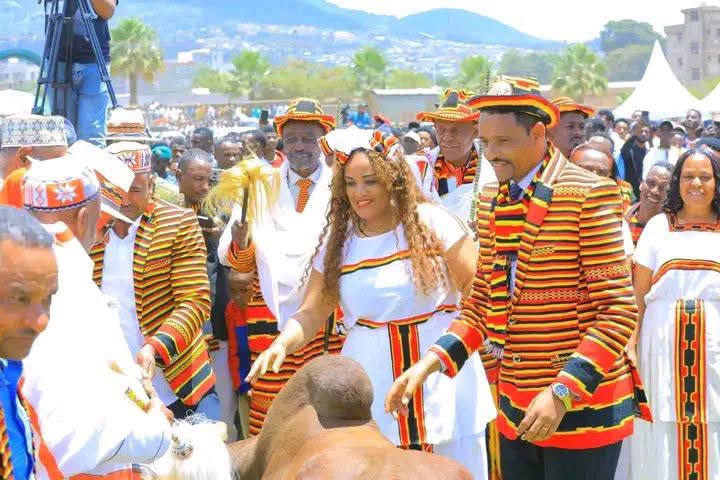
Leaders in Wolayta traditional attire perform a blessing ritual during the Gifaataa New Year Festival in Sodo, Ethiopia.
The festival gained international recognition after UNESCO inscribed Gifaataa, Wolaita people New Year festival, on the Representative List of the Intangible Cultural Heritage of Humanity in 2025.More than a New Year Gifaataa is closely associated with the transition from the old year to the new. Its meaning is expressed through rituals and practices that connect people with family, community and generations before them.
In the days leading up to the celebration, homes and surroundings are prepared. Families make food and drinks, people return from different parts of the country and abroad, and preparations bring relatives and neighbours together. UNESCO describes Gifaataa as a ten-day celebration that includes preparations, family reunions, communal activities, evening fires, singing and dancing, and concludes with a large community celebration known as goolo-igetta, featuring music, horse riding and final blessings from elders.
A celebration shared by women and men Gifaataa involves the whole community. Women and men, girls and boys, elders and young people all have roles in preparing and celebrating the festival. UNESCO's documentation notes that girls traditionally assist their mothers in preparing food and drinks and decorating homes, while boys assist their fathers with activities such as collecting firewood, preparing bonfires and repairing homes.
Gifaataa brings people together regardless of age, gender, religion or social status. The celebration provides a space where cultural knowledge is passed from one generation to another through participation and practice. Reconciliation before celebration. Before entering the new year, people are traditionally encouraged to resolve disagreements and leave past conflicts behind. UNESCO also records the peaceful resolution of disputes as part of preparations for the festival. Elders advise younger generations, encourage social harmony and give blessings. A new year, in this tradition, is therefore welcomed with renewed relationships between people. The celebration continues after New Year's Day. Gifaataa does not end with the main New Year celebration.
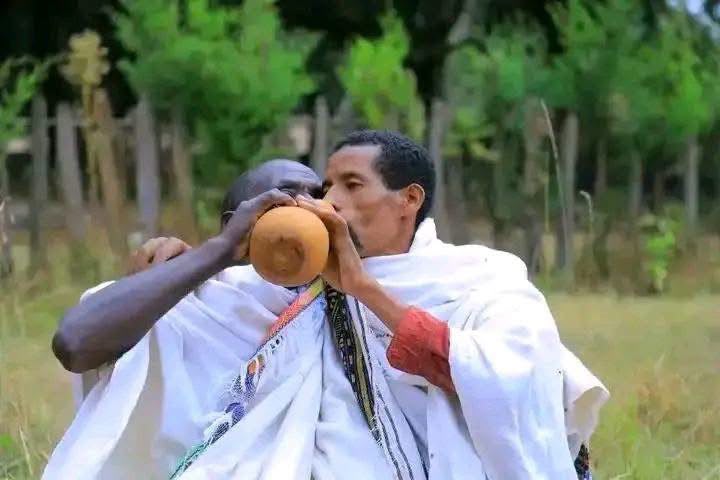
The unbreakable bond of Dagetaa — a covenant of love, loyalty, forgiveness and lifelong friendship
Traditional observances continue through the following days, with each day carrying its own name and practices. Local and secondary accounts describe Monday as Tama Sagga or Tama Senyo, Tuesday as Ciishsha Maskaiynno, and Wednesday as Gaziya or Gaazee Oruwaa. Terminology and sequence can vary in local accounts, so these traditions are best understood through community knowledge. Tama Sagga: Fire Monday, the day after the main Gifaataa celebration is known as Tama Sagga, or Tama Monday, locally understood as “Fire Monday.” The name is connected to fires kept burning in households throughout the night during Gifaataa. By the following day, embers may still be glowing in many homes, so people do not need to go to neighbours to borrow fire.
The day has its own family tradition. Meat left from the previous day's meal is roasted over a large hearth. Family members gather around the fire while the meat is hung from a long piece of wood placed between two upright supports and slowly roasted over the flames.Mothers and young women prepare traditional foods, including kita, kocho and data berbere prepared with butter. The head of the household removes the roasted meat from the fire and shares it with the family. Everyone eats, drinks and enjoys the occasion together around the hearth.
Tuesday and Wednesday traditions Traditional accounts also describe Tuesday as Ciishsha Maskaiynno, or “Flower Tuesday.” The day forms part of the continuing New Year observances and reflects the importance of family and community participation.Wednesday is associated in some accounts with Gaziya or Gaazee Oruwaa, a day of games, entertainment and cultural activities involving children, young people, women and men.
These activities show that Gifaataa is not confined to a single ceremony but unfolds through several days of social and cultural interaction.UNESCO describes the wider festival as lasting ten days and ending with goolo-igetta, a large community celebration with music, horse riding and final blessings from elders.
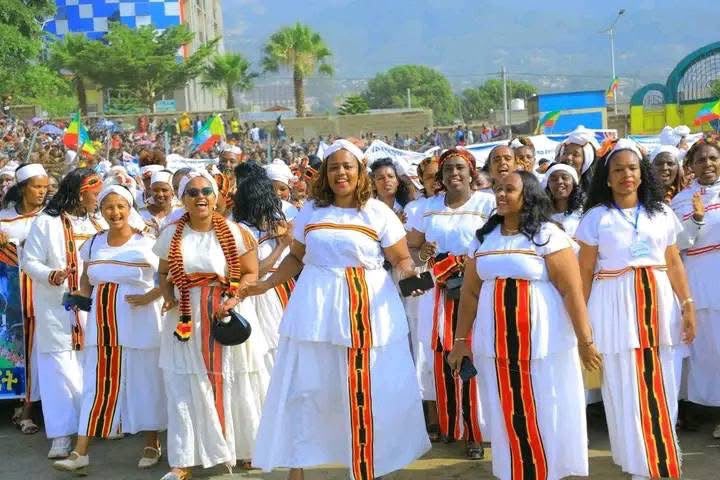
Beauty of Wolayta Culture! Women in elegant traditional white attire celebrate unity and heritage at the Gifaataa Festival in Sodo, Ethiopia
The different local descriptions of individual days therefore sit within a broader festival period. Food, markets and preparation.
Traditional dishes and drinks are prepared for families and guests, while livestock and agricultural products become part of the seasonal economy surrounding the festival. Markets and gatherings also provide opportunities for people to buy traditional clothing, food and other items associated with the celebration. Families prepare and save for the occasion, while women traditionally play important roles in preparing butter, food and other items for guests.
A tradition guided by knowledge of nature Gifaataa is also connected to traditional knowledge. Historically, the timing of the Wolaita New Year has been determined through traditional systems of observing the moon, stars and seasonal changes. Such knowledge has been passed between generations alongside the rituals of the festival.From darkness to light Fire is one of the powerful symbols associated with Gifaataa.
During evening celebrations, communities gather around bonfires for rituals, songs and dances. The light carries a wider cultural meaning: leaving darkness behind and entering a new period with hope, peace and renewed relationships. Recognition brings responsibility UNESCO's recognition has brought Gifaataa greater international attention, but inscription also places emphasis on safeguarding the tradition.
The UNESCO Committee noted that Gifaataa had already been included in Ethiopia's National Register of Intangible Cultural Heritage in 2016. Safeguarding measures include documentation, education, media engagement, curriculum integration and protection of cultural spaces.
A living heritage Standing in Sodo during this year's celebration, it was difficult to see Gifaataa as simply another cultural attraction. It is a homecoming, a moment of reconciliation, a gathering of women and men, elders and young people, and a way for one generation to hand its knowledge, values and identity to the next.
Southern Ethiopia has many festivals, each carrying the history and identity of its own community. Gifaataa's UNESCO recognition has given the Wolaita New Year a global platform, but its future will ultimately depend on the people who continue to celebrate and transmit it. For them, the meaning of a new year is not only that one year has ended and another has begun. It is the opportunity to begin again — together
Comments
