04Oct
By Fatma Al-Zahraa Hassan , TV Director, Producer, and Writer
In a world where the screen has become our primary window onto reality, what we watch quietly shapes how we live. In this powerful article, Egyptian TV director, producer and writer Fatma Al-Zahraa Hassan argues that visual storytelling is far more than entertainment — it is a tool for building life itself. From framing and editing to character and narrative, every image teaches us what success looks like, what relationships are possible, and what a dignified life can be. Drawing on Egypt's century-old cinematic tradition and her own experience behind the camera, Hassan explores how local stories carry universal questions, why diversity behind the lens matters, and how learning to watch critically can help us reclaim authorship of our own lives.
We live in a world in which the screen has become one of our primary windows onto reality. For millions of people, television, cinema, smartphones, and social media are not simply sources of entertainment. They are among the places where people learn how life works: what kinds of behavior are acceptable, what relationships are possible, what success looks like, and even what constitutes a dignified life. This makes visual storytelling far more consequential than it may first appear.
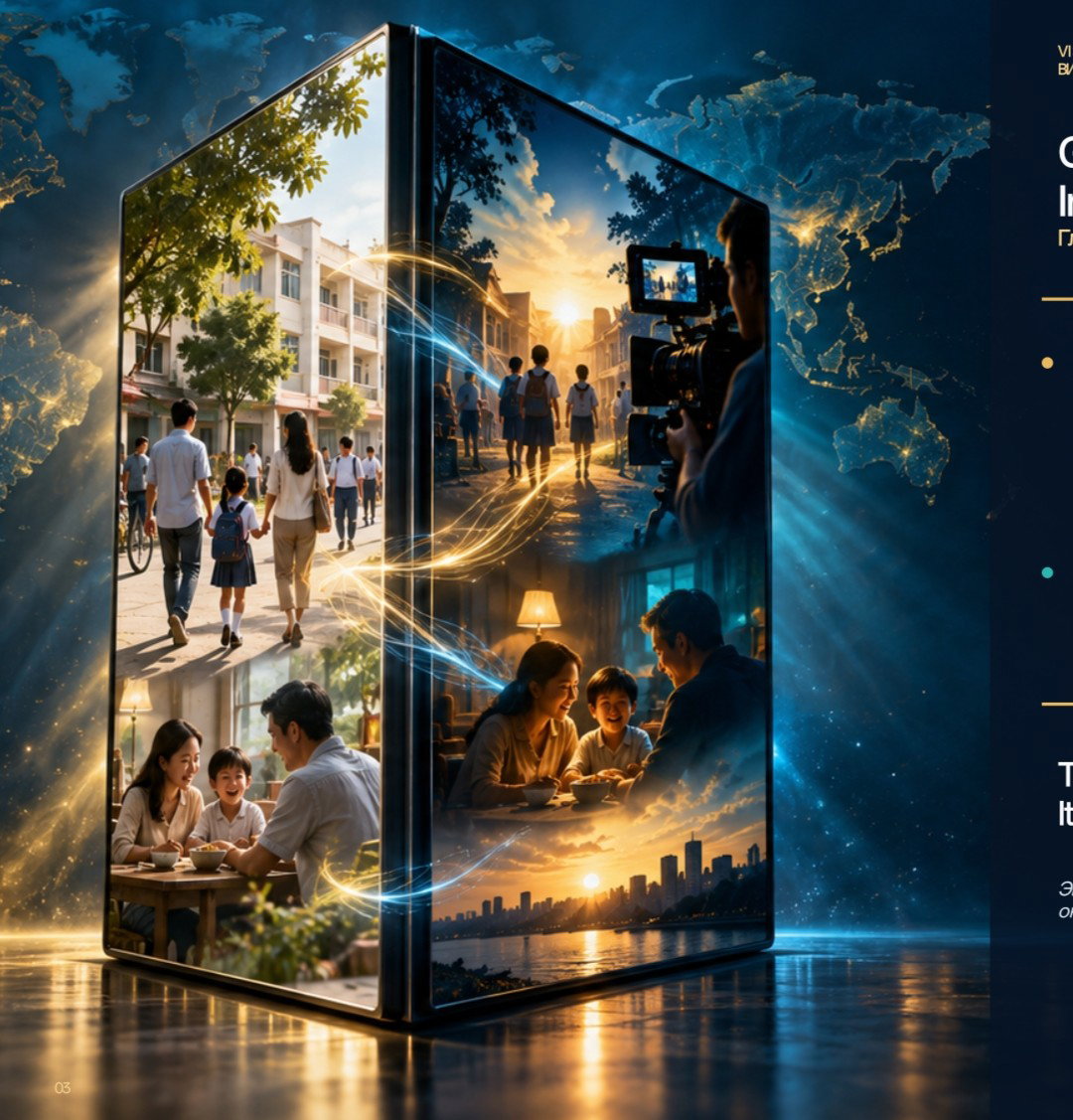
Storytelling presents a genuine diversity of characters, experiences, choices, and endings
As a television director and screenwriter from Egypt, I have spent much of my professional life working with one of the most immediate and influential forms of storytelling: the image. A camera does not merely record what is in front of it. Through selection, framing, editing, sound, character, and narrative structure, it determines what we see, what we do not see, and how we are encouraged to understand what we see. The screen can therefore function simultaneously as a mirror and as a tool for construction.
Beyond reflecting reality
Cinema and television have long played a central role in shaping cultural consciousness. In societies where access to education and cultural resources is unequal, audiovisual storytelling can become particularly influential. A film, television drama, documentary, or even a short social-media video can introduce ideas, behaviors, aspirations, and social possibilities to audiences who may encounter them repeatedly.
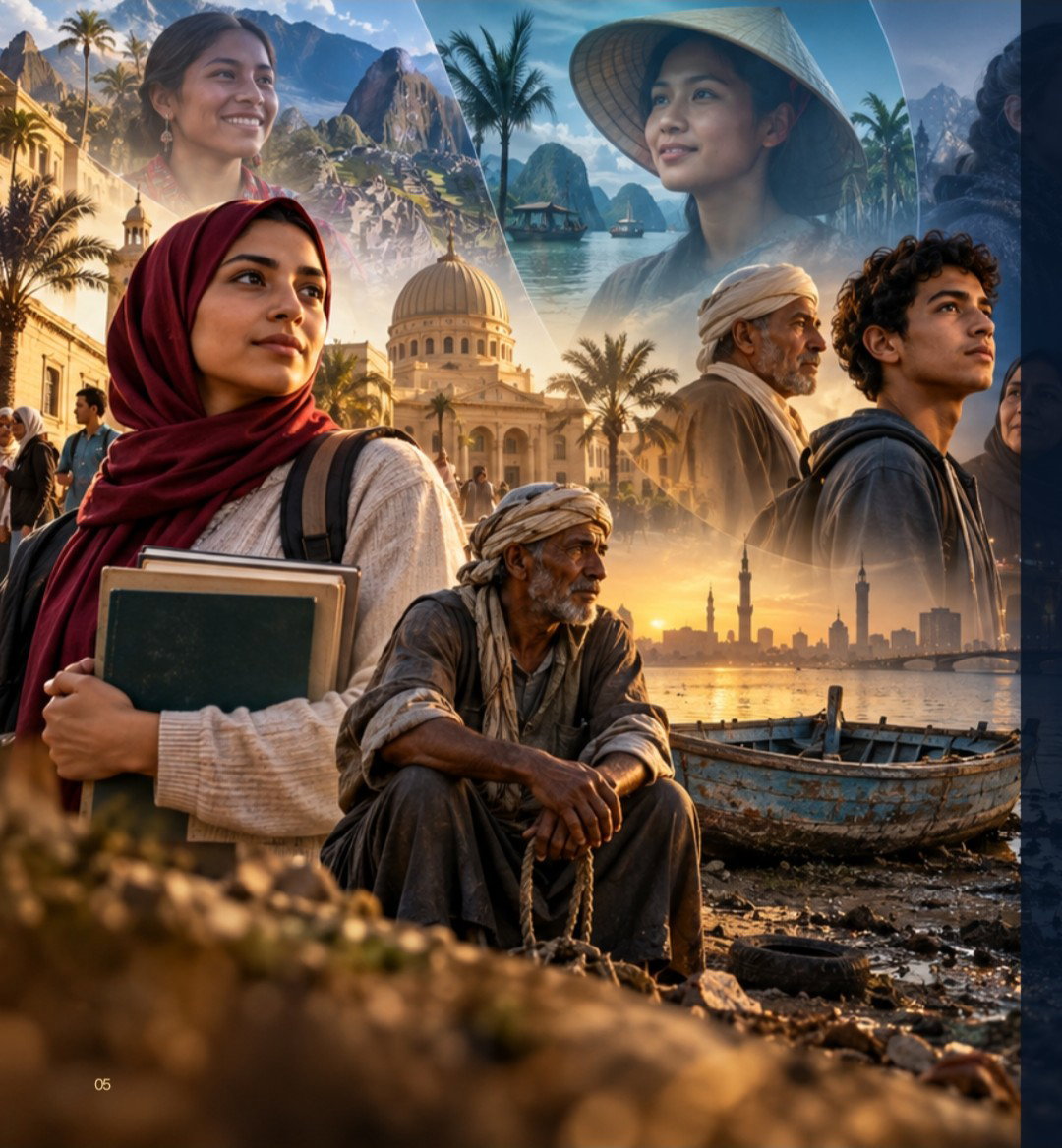
The story about an Egyptian woman fighting for her right to education can resonate far beyond Egypt
Egypt provides a powerful example. With a cinematic tradition stretching back more than a century, the moving image has become deeply embedded in the country's cultural imagination. Stories presented on Egyptian screens have often opened broad conversations about subjects ranging from women's rights and poverty to migration, family relationships, mental health, and social change.
Yet the screen does more than reflect the society around it. It can also participate in constructing that society.
When audiences repeatedly encounter the same type of hero, the same definition of success, or the same solution to a social problem, these representations can gradually appear natural or inevitable. If success is consistently associated with wealth and power, viewers may begin to perceive these as the principal measures of achievement. If women are repeatedly portrayed only as victims or rescuers, such representations can reinforce narrow expectations about women's roles. The opposite is also true.
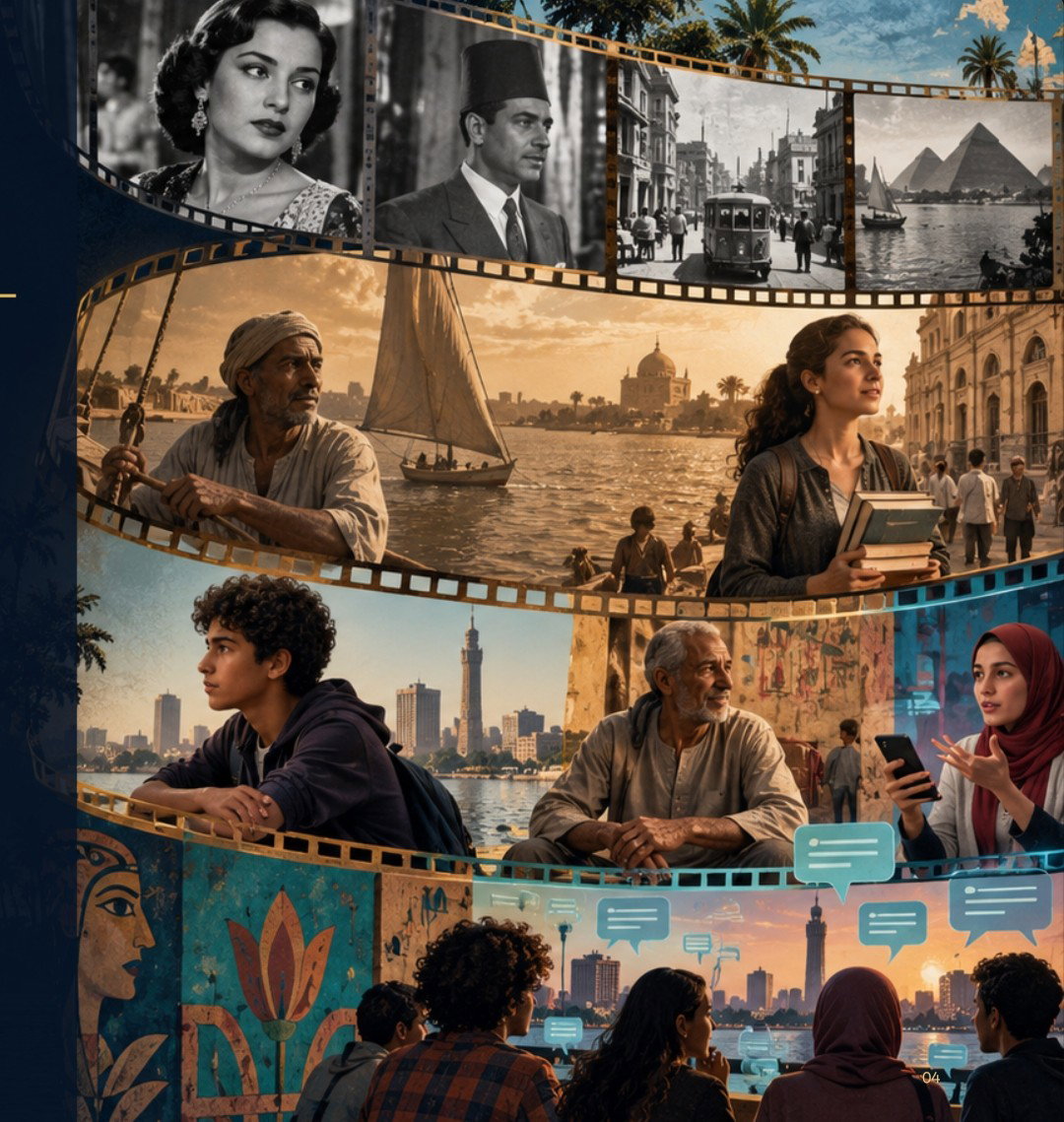
Regional cinema has a particularly important role to play
When storytelling presents a genuine diversity of characters, experiences, choices, and endings, it expands the range of possibilities available to the viewer. It tells us, implicitly, that there is more than one way to live, to overcome difficulty, to define achievement, and to belong. That is one of the great responsibilities of visual storytelling. Local stories, universal questions.
One of the principles I have come to believe in most strongly as a director is that a local story does not need to become less local in order to speak to the world. We do not have to imitate Hollywood or European narrative models to address subjects that audiences everywhere can understand. A story about an Egyptian woman fighting for her right to education can resonate far beyond Egypt. The story of a fisherman in a small village who loses his boat because of an environmental crisis can speak to audiences thousands of kilometers away. A teenager in Cairo struggling to find a place between tradition and modernity may be understood by another young person in Latin America, Southeast Asia, or Eastern Europe. The settings are different, but the questions are familiar. What does dignity mean? What does freedom mean? Where do we belong? What do we owe to one another? How do we remain ourselves while living in a changing world? These are human questions, and local stories can carry them with remarkable power.
Regional cinema therefore has a particularly important role to play. It can bring into the global conversation voices that are often absent from dominant international media. It can demonstrate that universality does not require cultural uniformity. In fact, the universal often becomes visible precisely through the specific details of people's lives. We are also authors of our own stories. Visual storytelling does not only shape the stories we watch. It can also offer us a different way of thinking about our own lives. One useful exercise is to imagine life as a screenplay.
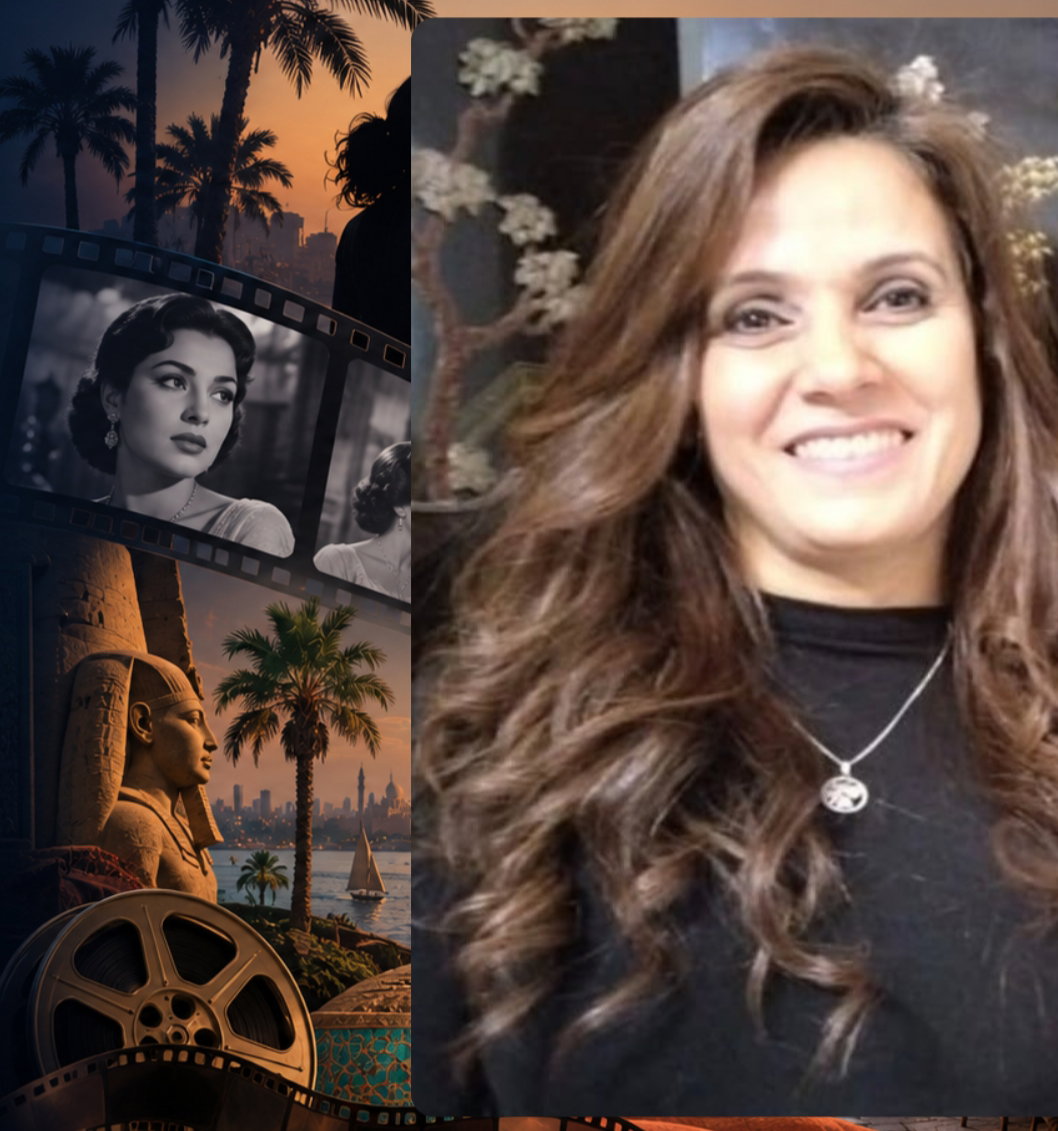
Author Fatma El-Zahraa, TV Director, Egypt
Instead of writing a conventional list of goals for the coming year, imagine writing its script. What is the opening scene? What is the central conflict? Which people will enter the story? Where might the turning point occur? What kind of ending are you working toward?
This does not mean pretending that we control everything that happens to us. Life is not a film, and human beings are not characters whose every scene can be predetermined. But thinking narratively can help us recognize that we have some role in shaping the direction of our lives.
There is another useful cinematic metaphor: the alternative shot. When we find ourselves thinking, "Everything is going wrong," we might imagine that we are looking at only one shot from a much longer film. What else is happening outside the frame? What other perspective might reveal something we cannot currently see? What alternative scene could follow this one?
Such a shift does not erase difficulties. It simply prevents a single moment from becoming the entire story.
Our personal archives can also become a form of storytelling. Once a week, instead of photographing only achievements or beautiful occasions, we can record an ordinary moment of reflection: something we learned, something that mattered, something we felt. Months later, these fragments may reveal a story that statistics and conventional diaries cannot capture—not simply what happened, but how we changed.
Learning to watch critically
The influence of visual storytelling makes media literacy increasingly important.
Every time we watch a film, television series, or online video, we can ask a few simple questions: Whose story is this? Whose voice tells it? Which perspectives are missing? Who has been placed at the center of the frame, and who remains outside it? What does this story suggest about the way a person should live?
These questions do not require us to reject a story. They allow us to engage with it consciously rather than passively. Critical viewing gives audiences the ability to distinguish between a narrative and reality. It reminds us that every story is constructed through choices—choices about characters, camera angles, dialogue, editing, silence, and perspective. The more conscious we become of those choices, the greater our ability to decide which models of life we accept, question, or leave behind.
Women behind the camera.
As a woman director working in a region where women's voices in media have historically faced limitations, I feel a particular responsibility toward the stories we choose to tell and the people we allow to tell them.
When a woman occupies the director's chair, she does not simply add a "women's subject" to the screen. She can alter the angle from which the world itself is observed. Something that once remained in the background may move into the center of the frame. This principle extends beyond gender. It applies to children, older people, migrants, people living far from major urban centers, and all those whose experiences are often underrepresented in mainstream storytelling.
Giving a camera to someone society has become accustomed to overlooking is not merely an act of representation. It expands the imaginative space in which people can see themselves and their possibilities.
A society with more diverse stories offers its members more ways to understand themselves. It becomes easier for people to recognize that they do not have to fit a single model in order to be visible, valuable, or accepted.
The screen and the human future
Cinema and television are often described as entertainment industries. They certainly entertain us, but their influence reaches much further. A story can give a person language for an experience they could not previously express. It can provide a framework for understanding an action or a difficult relationship. It can introduce a possibility that had never seemed available. Sometimes, most importantly, it can tell someone that they are not alone. This is why every story carries a responsibility.
As a television director, I believe that each story we tell is, in a small way, an act of building life—not only for the characters who inhabit the screen, but for every viewer who recognizes something of themselves in those characters.
The challenge is not to make every story look the same. It is to allow different stories to meet one another without erasing their differences.
When a local story, told honestly and precisely, finds an audience across borders, it demonstrates something essential about our shared humanity: the universal does not emerge from eliminating cultural difference. It emerges from respecting difference deeply enough to discover the human questions within it.
The future of visual storytelling therefore lies not simply in producing more images, but in creating more meaningful perspectives. Every camera points somewhere. Every frame includes something and excludes something else. Every story offers a possible way of seeing. And in the meeting of cultures, voices, memories, and ways of looking at the world, visual storytelling can become more than a record of human life. It can become one of the ways through which we build it.
Comments
