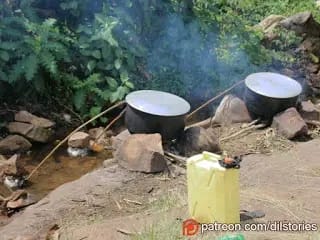
In Kagera, they call it Gongo. In homes across Tanzania’s Lake Zone and beyond, it is lubisi, pombe ya moshi, or local brandy — banana and sorghum spirits distilled for generations to pay school fees, cover hospital bills, and keep small businesses alive. But despite being woven into rural life, Tanzania’s traditional liquor industry remains largely underground. Classified as illicit under the Traditional Liquor Control of Distillation Act, producers operate in secrecy, unable to access finance, training, or formal markets. The result is a hidden rural economy with huge potential — and serious risks. Now, residents and former Minister Charles Mwijage are calling for change. Their argument is straightforward: the trade already exists. Instead of criminalizing it, Tanzania should regulate it, improve safety, and turn it into jobs, tax revenue, and a stable market for surplus bananas, sorghum, cassava and maize. The case for formalisation is as much about public health as economics. Unregulated spirits can be contaminated with methanol, causing blindness and death. Without standards, no one can test, trace, or label what people drink. From Uganda’s Waragi to Kenya’s Changaa and Ghana’s Akpeteshie, neighbors have shown regulated traditional spirits can work. The question for Tanzania is not whether people will brew and drink — they have for decades. The question is whether the country will keep the sector in the shadows, or bring it into a safe, lawful, and productive economy writes Mutayoba Arbogast, CAJ International Magazine Correspondent in Tanzania
Read MoreCAJ Intl Mag #Alcohol Regulation
14 min read
0 Comments
