21Aug
By Mutayoba Arbogast, Correspondent,Tanzania

Charles Mwijage, former Member of Parliament for Muleba North who served as Minister for Industries, Trade and Investment, requested to promote local beer to industries
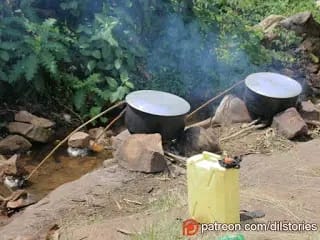
For generations, communities in Tanzania have produced traditional alcoholic drinks from crops grown close to home. In Kagera Region, banana-based brews such as lubisi and distilled spirits popularly known as Gongo, local brandy or pombe ya moshi have long been part of local trade, livelihoods and social life. Yet the industry largely remains underground, exposing farmers, producers, consumers and the government to avoidable risks.
Kagera residents have recently used social media to call on Charles Mwijage, the former Member of Parliament for Muleba North, who also served as the Minister of Industries, Trade and Investment, to continue lobbying for the formalisation of locally distilled alcohol.
Their central argument is simple: Tanzania should not ignore an economic activity that already exists. Instead, it should regulate it, improve its safety, link it to industry and turn it into a source of income, tax revenue and rural employment.The debate goes beyond Kagera. From banana-growing areas in the Lake Zone to sugarcane, cassava, maize, millet and sorghum-producing regions, Tanzania has agricultural raw materials that could support a carefully regulated local spirits industry.
The question is not whether people will produce and consume local alcohol; this has happened for decades. The real question is whether Tanzania will leave the sector in the shadows or bring it into a safe, lawful and productive economy.
A hidden rural economy
In Kagera, locally distilled alcohol has historically helped many households earn cash in an area where agriculture is the backbone of the economy. Residents argue that income from bananas and local brewing has enabled families to pay school fees, meet medical costs, build homes and sustain small businesses. The region’s strong educational tradition is often cited as evidence of how agricultural trade and household enterprise can transform communities.
Because Gongo is illegal or treated as illicit in many circumstances (Traditional Liquor- Control of Distillation Act), however, producers and sellers often operate in secrecy. The trade has acquired coded names, including kaliinya, partly to avoid detection by law-enforcement authorities. This illegality creates a chain of problems: producers cannot access formal finance, cannot invest confidently in modern equipment, cannot obtain technical training, and cannot sell their products openly under recognised labels.
Farmers also lose.
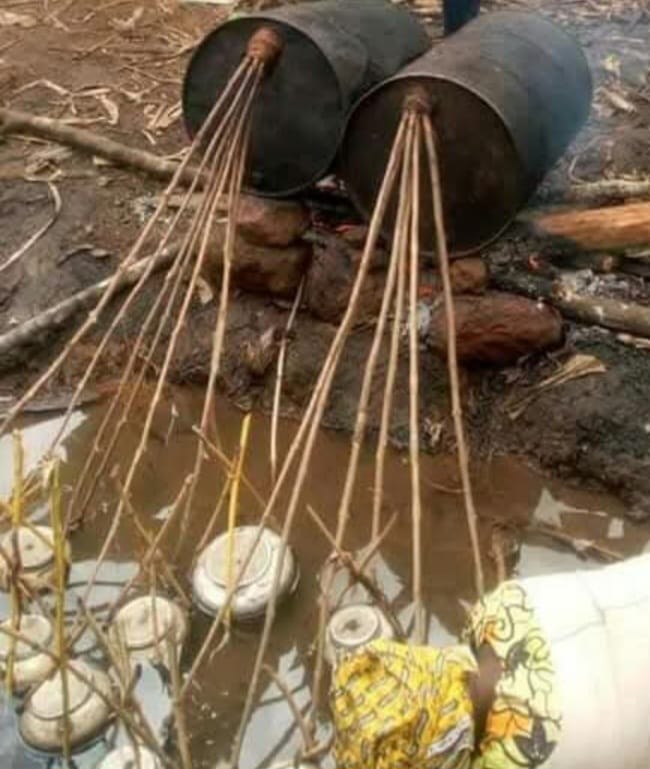
Bananas, sorghum, cassava, sugarcane and other crops can be highly perishable or vulnerable to price fluctuations. A regulated distilling industry could create an additional and more stable market for crops that do not meet fresh-market standards but remain safe for processing. Instead of allowing surplus produce to rot, farmers could sell it to licensed processors.That would not mean diverting food away from households. Any policy should protect food security by encouraging the use of surplus crops, processing-grade produce and agricultural by-products where appropriate.But it would give farmers more options and reduce dependence on a single buyer or market.
Formalization is a safety measure.
The strongest case for legalisation is not simply commercial. It is public health. Unregulated alcohol can be dangerous when it is contaminated, poorly distilled or mixed with toxic substances. Methanol contamination, for example, can cause blindness, organ failure and death. Consumers may also be unable to tell the difference between a properly distilled product and a counterfeit one. When production is hidden, authorities cannot inspect facilities, test products or trace the source of a harmful batch. A formal system would replace secrecy with standards.
The Tanzania Bureau of Standards, the Tanzania Medicines and Medical Devices Authority and other relevant agencies could establish clear requirements for production, testing, packaging, labelling and distribution. These rules should cover alcohol strength, permissible ingredients, hygiene, methanol limits, batch numbers, tamper-proof seals and warning labels.The point is not to claim that every traditional spirit is automatically safe. Safety depends on the raw materials, fermentation, distillation process, storage and handling.
Modern equipment and professional quality control are essential.
A properly produced and tested spirit derived from bananas, molasses, grains or fruit is not fundamentally outside the science used to make commercial vodka, gin or other spirits. What matters is that it meets recognised standards before it reaches consumers.
A regulated product could also carry labels warning against excessive drinking, drink-driving, sale to minors and consumption during pregnancy. Tanzania should combine industrial policy with strong alcohol-harm prevention measures, including licensing conditions, enforcement against illicit traders and public education.
Learning from African examples
Tanzania does not have to begin from zero. Other African countries have shown that traditional spirits can be moved from informal production into regulated markets.Uganda’s Waragi is perhaps the best-known regional example. While informal and unsafe alcohol remains a challenge in some areas, Uganda Waragi has become has become a commercial brand produced under controlled conditions (Enguli- Manufacturing and Licensing Act).
Its rise demonstrates the potential of transforming locally rooted knowledge and raw materials into a modern product with national and export value. Uganda farmers increased cash flowof the households by supplying raw material like sorghum and maize to commom brewers. Ghana’s Akipeteshie, traditionally distilled from sugarcane or palm products, also illustrates how legal recognition can open the door to regulation, quality improvement and formal enterprise. Kenya, meanwhile, has pursued frameworks that allow traditional alcoholic drink, Changaa, to be produced legally, when manufacturers comply with licensing, hygiene, packaging and quality requirements (Kenya Alcoholic Drinks Control Act No 4 of 2010).
The objective is clear: reduce deaths linked to unsafe illicit brews while creating accountable businesses.
These countries also offer an important warning. Legalisation alone is not enough. Weak enforcement, poor-quality counterfeit products and irresponsible consumption can still cause harm.
Tanzania would need a system that supports compliant small producers while firmly penalising unsafe, unlicensed and adulterated alcohol.
An opportunity for Kagera and Tanzania at large
Mwijage has urged industrialists and the National Bureau of Statistics to assess the availability of raw materials and the market for such products. He had also advised stakeholders to work with Small Industries Development Organization(SIDO) offices, which operate across the country, for guidance on establishing safe and viable factories.
That is a practical starting point. Before large-scale investment, Tanzania needs reliable data: how much banana, sorghum, cassava, and other suitable raw material is available; how many people currently depend on informal production; what level of consumer demand exists; and what taxes, jobs and export opportunities could be created.
Reports of deaths and dangerous drinking contests show that high-strength spirits can be deadly when consumed recklessly, even if they are not contaminated.
A legal framework should therefore set maximum alcohol-strength limits for retail sale, require dilution and testing where necessary, and prohibit marketing that encourages rapid or excessive consumption.
Formalisation could generate jobs across the value chain:
farmers, transporters, technicians, bottle suppliers, label designers, laboratory staff, distributors and retailers. It could also encourage innovation. Banana-based spirits, for example, could be branded as a distinctive Tanzanian product for tourism and export, provided quality, consistency and responsible marketing are guaranteed.
A call for practical reform Members of Parliament from Kagera, led by experienced leaders such as Charles Mwijage, should champion a national conversation on safe formalisation of traditional spirits. But the issue should not be framed as a Kagera matter alone. It concerns rural industrialization across Tanzania.
The government should consider a pilot program in selected regions, beginning with producer registration, training, laboratory testing, affordable licenses and access to improved distillation equipment. Small producers should be helped to meet standards rather than pushed out of the market by costly regulations designed only for large companies. Tanzania has an opportunity to turn an underground trade into a transparent, safe and productive sector.
By connecting farmers to licensed factories, protecting consumers from poisonous and excessively strong alcohol, collecting taxes and creating jobs, the country can transform a long-standing local practice into a modern rural industry.The aim should never be to promote harmful drinking. It should be to protect lives, support farmers and ensure that a business which already exists operates safely, legally and for the benefit of Tanzanians.
CAJ International Magazine contacted Charles Mwijage, an experienced economist, to ask whether he was prepared to accept the responsibility the public entrusted to him.
He affirmed he was ready, and that the immediate priority would be to advising the government to combat harmful, low-quality alcoholic beverages that are widely available and often cheaply priced.
He urged the government to take decisive action, banning those products and creating an enabling environment for responsibly produced, regulated liquor. He praised Rwanda for suspending beverages that do not meet public-health standards.
"Business environment matters,” he said. “You cannot compete with these poor-quality liquors unless they are removed from circulation; then you will have space to engage productively in the market.”
Comments
