60-Word Intro: Fourteen days after Zambia’s presidential election, Tonse Alliance leaders Brian Mundubile and Makebi Zulu are in police custody. The Zambia Police Service confirmed on August 27, 2026, that warn and caution statements were recorded over alleged treason under Section 43(1) of the Penal Code. No details of the allegations have been released as investigations continue
Read MoreCAJ Intl Mag

7 min read
0 Comments

13 min read
0 Comments
When President Joseph Nyuma Boakai stood before the nation in mid-2026, Liberia was reeling. In the span of five weeks, security forces had intercepted two of the largest cocaine shipments in the country’s history: 238 kilograms hidden in seasoning-cube cargo at Roberts International Airport in June, and nearly four metric tons worth an estimated $300 million in Duazon in July. The scale of the seizures forced the government into crisis mode. Boakai’s response was swift and public. He told Liberians there would be “no selective justice, political protection, sacred cows.” Within days, his administration dismissed and suspended more than a dozen officials. The list included senior figures at Roberts International Airport, a police commissioner overseeing criminal investigations and Interpol liaison work, and a deputy director at the National Security Agency. Two police officers were also fired over allegations they used government vehicles to move narcotics across Bomi Highway. In a move that signaled the dragnet would reach the highest levels, authorities arrested and charged former Vice President Jewel Howard-Taylor with unlicensed importation, solicitation, and conspiracy. The administration insisted the case was “strictly a matter of law enforcement” and not political retaliation. But 132 days later, the promise of equal accountability is being tested in the court of public opinion. On talk radio in Monrovia, in newspaper columns, and across social media, one question keeps resurfacing: is justice being applied to everyone, or only to some? The answer depends on where you look. What is verified is clear. The drug busts happened. The dismissals happened. The arrest and prosecution of a former vice president happened. What is disputed is the process that follows. The president’s own household has not escaped scrutiny. In late July, a viral video sought to link Boakai’s son, Joseph Boakai Jr., to an alleged cartel. He denied the claims and invited investigators to present evidence. Government officials have also rejected any link between the president’s son and the seizures. Yet there has been no arrest, no charge, and no independent report clearing him. For critics, “denial is not investigation,” and the absence of visible due process fuels the perception of a double standard. Civil society has been the loudest voice pushing for more. The Women NGOs Secretariat of Liberia, WONGOSOL, praised the dismissals but warned that “administrative removals alone will not upend the criminal networks threatening Liberia’s security.” Executive Director Esther S. Davis Yango said the firings must be the beginning, not the end, and called for full prosecutions. As of August 2026, charge sheets and court dockets for most of the dismissed airport, NSA, and LNP officials have not been made public. The same credibility gap extends to legacy cases. In his first cabinet meeting of 2026, Boakai ordered investigations into “mysterious deaths, including the missing boys and the deaths of auditors.” Six months on, there have been few updates and no indictments. Supporters say Boakai has done more than any recent government to confront drug trafficking and hold powerful people to account. Critics say personnel changes are being confused with justice, and that without transparent prosecutions and independent oversight, the “no sacred cows” pledge remains a slogan, not a reality. As Liberia enters the next 90 days, the administration faces a choice: release the evidence of equal justice in courtrooms, or continue to make it in press conferences.
Read More
12 min read
0 Comments
For 132 days, SJF President Raju Lama took South Asian journalism to the UN, Washington, and global newsrooms. The result: a new 3-year pact with ICJ and the start of direct talks with African journalists. From Kathmandu to the world — a South-South media alliance is forming
Read More
6 min read
0 Comments
*Intro:* Days after President Hakainde Hichilema was declared winner of Zambia’s August 13, 2026 general elections, BuyZed Campaign Founder Ambassador Evans Kazonga Ng’oma has urged Zambians to move past politics and focus on nation-building. Speaking from Lundazi, Ng’oma called on government to govern for all citizens, the opposition to remain responsible, and the country to reject violence, militancy, and misinformation. His message: “Political competition is temporary. Zambia is permanent.”
Read More
2 min read
0 Comments
In the wake of Zambia’s 2026 general elections, the Tonse Alliance has broken ranks with sections of the opposition calling for a legal challenge to the presidential results. Alliance Secretary General Dr Chris Zumani Zimba says petitioning the outcome would be “a big mistake” that risks deepening national divisions, and is instead urging leaders to choose dialogue, healing, and reconciliation. His stance comes as official results confirm President Hakainde Hichilema’s second term with a margin of over 1.1 million votes, setting the stage for a tense post-election period focused on peace rather than court battles
Read More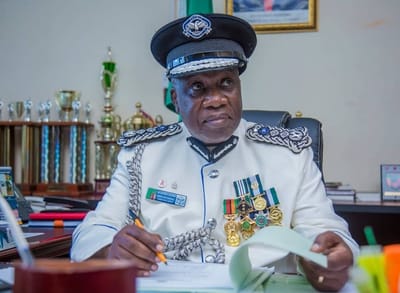
5 min read
0 Comments
ZAMBIA — Two days after the August 13 General Elections, Zambia’s top opposition figures have been pulled into a sweeping national security probe. The Zambia Police Service on August 20 summoned Brian Mundubile and Makebi Zulu, senior leaders of the National Reconciliation Party for Unity and Prosperity (NRPUP), for questioning over what Inspector General Graphel Musamba described as “serious national security threats.” Julius M. phiri, CAJ International Magazine Correspondent in Zambia wites that according to a police statement, investigations — being conducted with other law enforcement agencies — center on alleged activities that could threaten or undermine national security, including suspected terrorism and terrorist financing. Some of those activities were reportedly linked to premises owned or managed by the two men. Musamba said call-outs were served to the leaders’ lawyers, and that authorities are aware the pair have sought refuge with an international organization. Government, he added, has assured that organization of due process and protection of fundamental rights. The summons come as President Hakainde Hichilema was declared election winner, though police did not tie the probe directly to the vote.
Read More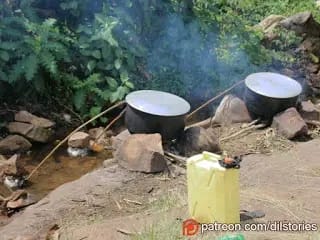
14 min read
0 Comments
In Kagera, they call it Gongo. In homes across Tanzania’s Lake Zone and beyond, it is lubisi, pombe ya moshi, or local brandy — banana and sorghum spirits distilled for generations to pay school fees, cover hospital bills, and keep small businesses alive. But despite being woven into rural life, Tanzania’s traditional liquor industry remains largely underground. Classified as illicit under the Traditional Liquor Control of Distillation Act, producers operate in secrecy, unable to access finance, training, or formal markets. The result is a hidden rural economy with huge potential — and serious risks. Now, residents and former Minister Charles Mwijage are calling for change. Their argument is straightforward: the trade already exists. Instead of criminalizing it, Tanzania should regulate it, improve safety, and turn it into jobs, tax revenue, and a stable market for surplus bananas, sorghum, cassava and maize. The case for formalisation is as much about public health as economics. Unregulated spirits can be contaminated with methanol, causing blindness and death. Without standards, no one can test, trace, or label what people drink. From Uganda’s Waragi to Kenya’s Changaa and Ghana’s Akpeteshie, neighbors have shown regulated traditional spirits can work. The question for Tanzania is not whether people will brew and drink — they have for decades. The question is whether the country will keep the sector in the shadows, or bring it into a safe, lawful, and productive economy writes Mutayoba Arbogast, CAJ International Magazine Correspondent in Tanzania
Read More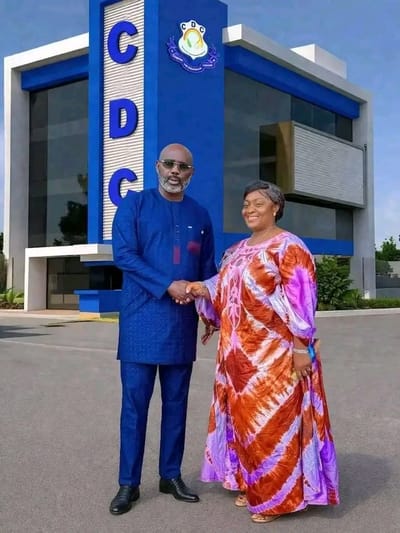
8 min read
0 Comments
Three years before Liberia’s next presidential election, the political temperature is already rising. In taxi parks, classrooms, and CDC county offices, one conversation keeps resurfacing: the return of George Weah and Jewel Howard Taylor. From 2018 to 2024, the Weah-Taylor administration ran the country under the “Pro-Poor Agenda,” a platform that prioritized roads, free tuition, and direct engagement with ordinary Liberians. Supporters say those years set a standard they want to see again in 2029. They point to over 300km of paved roads, tuition-free access for more than 40,000 public university students, and youth programs that put young people at the center of governance. They also point to connection — leaders who visited markets, listened to women’s groups, and spoke the language of the streets. Now, as economic pressures mount in 2026, the call is growing louder. For many in the CDC and beyond, 2029 is not just another election. It’s about finishing unfinished business. It’s about bringing back the People’s Team
Read More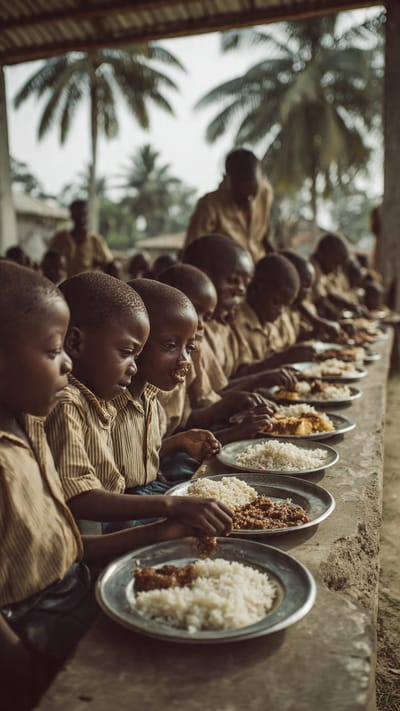
8 min read
0 Comments
The new MoU between the Government of Liberia and WFP sets a clear direction: move school feeding to national ownership by 2028. But direction is not delivery. At the signing, officials celebrated expanded monitoring and “increased financing.” What they did not provide were the details that determine whether a child in Maryland or Lofa actually gets lunch next year. There was no published budget figure, no percentage of the 2026 national budget committed, and no guarantee that school feeding will be protected from cuts. Without that, the programme remains vulnerable every time the budget is debated. There was also no new plan for the hardest part of the job: logistics. The School Connect platform will now cover 300+ schools, but the agreement said nothing about trucks, fuel, storage, or the feeder roads that collapse in rainy season. An app can tell Monrovia that a storeroom is empty. It cannot deliver rice to it. Finally, there was no clarity on accountability. WFP noted that the pilot system had already flagged cases of food diversion. The Ministry did not say what happened to those cases, who was held responsible, or how parents and PTAs can report problems and expect action. Technology without enforcement and community oversight risks documenting failure instead of preventing it. Until government publishes the budget, fixes the last mile, and gives communities real power to audit meals, “national ownership” will remain a slogan. The meals that keep children in school depend on more than signatures. The MoU was signed. Now Liberians need to see the money, the trucks, and the consequences.
Read More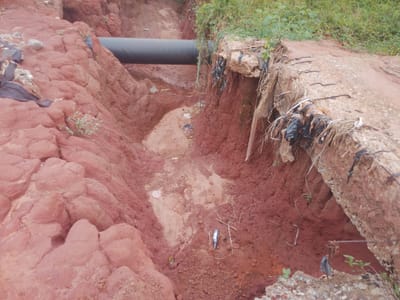
11 min read
0 Comments
Obada Oko began as an Owu farm settlement and grew into an industrial gateway in Ewekoro, home to Lafarge, Dangote and thriving businesses like Ololade Mr. Money Hotel and King Ola Frozen Foods. Yet at its heart, the complex junction leading to the dam and "new city area" has become a trap. During rain it turns to mud, during dry season to potholes — cutting off trade, trapping residents, and stalling the community’s growth.
Read More
29 min read
0 Comments
8 min read
0 Comments
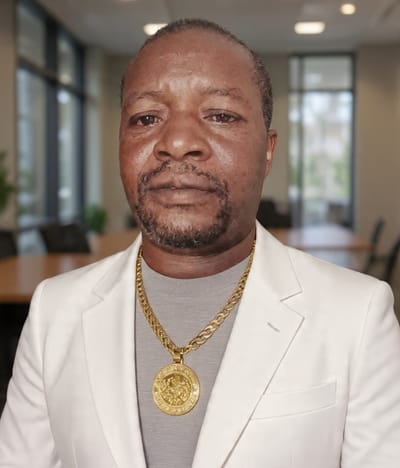
A column by CAJ International Magazine Editor in Chief, Michael Adeboboye where he expresses opinion on diverse issues across continents
Read More