03Oct
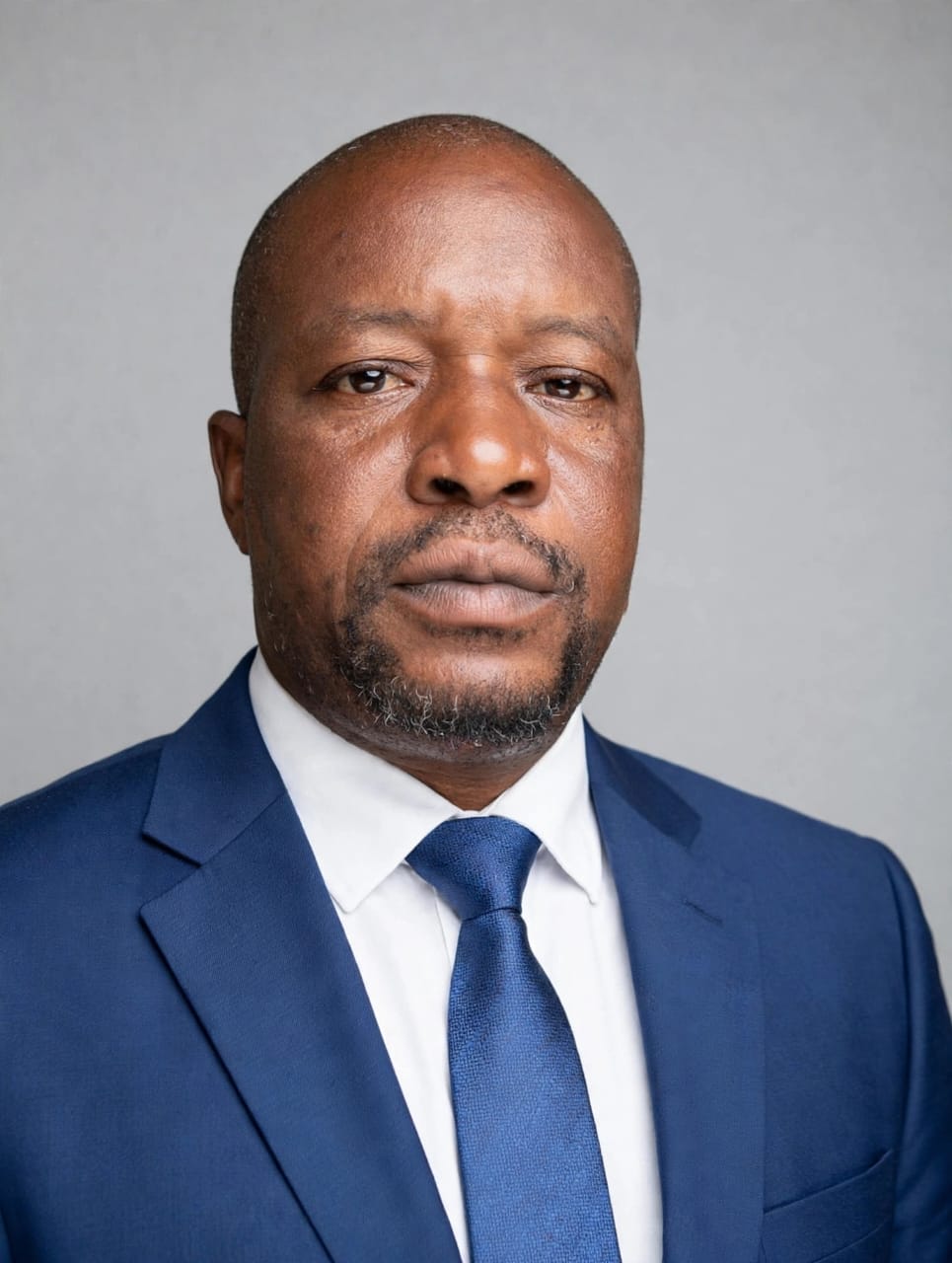
In this edition of CAJ International Magazine, we spotlight a defining moment for African journalism on the global stage. Our guest is Mr. Michael Adeboboye, International President of the Congress of African Journalists (CAJ) — the pan-African body at the forefront of improving the practice and protecting practitioners across the continent. A visionary media leader, Adeboboye is steering African journalism beyond borders. Through a landmark strategic partnership with the Intercontinental Connection of Journalists (ICJ), he is positioning CAJ to achieve truly global objectives — amplifying African voices, fostering cross-continental collaboration, and strengthening the place of African journalists in shaping the world media narrative. In this exclusive interview conducted by Dela Ahiawor, West African Bureau Editor of CAJ International Magazine, President Adeboboye unveils far-reaching agendas for the future — from international cooperation and capacity building, to press freedom advocacy, professional standards, and continental integration through journalism. With clarity and conviction, he speaks on the rationale behind the CAJ-ICJ partnership, what it means for journalists across Africa, and how the Congress is building bridges that will connect Africa to other continents through the power of the pen.Excerpts:
Mr. President, CAJ just signed an MoU with ICJ. What is ICJ and why did CAJ choose it?
Thank you. First, let me be clear: CAJ is today the with global networks, body of journalists in Africa, with members in several African countries and diaspora representation. My mandate as International President is to build worldwide connections that put African journalism on the global map. The Intercontinental Connection of Journalists, ICJ, is one of those worldwide platforms we have strategically partnered with. It is a U.S.-registered media company that has built a global infrastructure for journalists. We did not join ICJ. We partnered with ICJ as one of many platforms under CAJ's global expansion strategy. CAJ remains the home. ICJ is a powerful door we have opened for our members.
Many people think ICJ is just another association. What does it actually offer?
ICJ offers nine concrete infrastructures that align perfectly with CAJ's own objectives. As International President, I have said that CAJ must solve three problems for our members: recognition, publishing home, and earning power. ICJ's official objectives speak directly to that: One. Empowering all journalists and press freedom globally. Two. Pushing for Press Authority status through the ICJ Declaration — legal recognition and biometric badges for journalists at the UN level. Three. Providing a credible publishing home for freelancers under a U.S. media company. Four. Creating a unique marketplace where exclusive stories and leaks can be sold securely to international networks. These are not slogans. These are tools CAJ will now deploy for our members.
And the other objectives?
Verified digital press cards for global recognition, Free advanced education, seminars and training programs. Global networking, cross-border projects and joint investigations. Professional interactive panels and annual journalism awards and Amplifying civil society through the "ICJ Friends" initiative. For CAJ, this is alignment. Our objective is to project CAJ members worldwide. ICJ gives us one of the platforms to do that.
Give us a practical example. How does a journalist in Cameroon and other African countries benefit?
Excellent question. Let me explain how CAJ works now. If you are a journalist in Zimbabwe with a major exclusive on security or humanitarian issues, but no credible international platform will publish you, you do not need to struggle alone. Through CAJ, you now have access to multiple worldwide platforms. ICJ is one of them. CAJ will verify your story, provide legal review, and through our partnership, you can publish it in CAJ International Magazine and www.cajintl.organd under the umbrella of a U.S.-registered media company with global distribution. That exclusive can then enter ICJ's marketplace, where international networks can license it fairly. The journalist earns, CAJ protects, and Africa's voice is heard. This is what I mean when I say CAJ is building worldwide connections. ICJ is one platform, but the access point is CAJ.
How does this reflect your motto "One for All, All for One"?
CAJ's motto has always been “Protecting the journalists and improving the Practitioner "An injury to one is an injury to all." As International President, I expanded it to "One for All, All for One" because CAJ is now global. If a journalist is detained in Cameroon, CAJ does not just issue a statement from Nigeria. We activate all our worldwide connections — including ICJ — to amplify that case in Washington, Brussels, Geneva, and New York simultaneously. ICJ's objective of pushing for Press Authority status — a formal legal status for journalists — aligns with CAJ's continental fight for journalist safety. We are stronger together, but CAJ leads the African front.
Press freedom is declining. How does this partnership give CAJ a stronger voice?
For years, when an African journalist was arrested, international bodies spoke about us without us. Today, CAJ sits at the table as a co-author. Through our worldwide connections, including ICJ, when we trigger our Joint Rapid Response Protocol, that case is on the desks of partners across continents within 24 hours. And ICJ's Press Authority Declaration — pushing the UN to grant journalists biometric badges equivalent to official persons — is something CAJ has fully endorsed and is co-driving for Africa.
What about the economic struggles of African journalists? That is my biggest priority as International President. Resilience without resources is suffering. CAJ's strategy is to end the exploitation of African exclusives. Many of our colleagues risk their lives, and their stories are bought for $100 by foreign outlets. Through CAJ's worldwide connections, including ICJ's marketplace, an exclusive from Lagos, Nairobi or Dakar is now priced as an international exclusive. CAJ ensures fair verification and fair pay. We are also building a CAJ Freelance Protection Charter — ICJ's publishing infrastructure as a U.S. company is one of the platforms we will use to give freelancers a credible home, insurance, and global recognition.
How does this help fight fake news?
CAJ's objective is to make African journalists leaders in information integrity, not victims. Through our worldwide connections, including ICJ's free advanced education and panels, we will train 5,000 African journalists in OSINT, deepfake detection, and AI verification in the next two years. And through ICJ Friends initiative, CAJ will also give African media NGOs and unions a free global profile to promote their fact-checking work internationally. CAJ is projecting Africa as a solution provider to disinformation, not just a victim.
What is the state of journalism in Africa today?
We are wounded but we are connected. That is the difference under my presidency. Before, an African journalist was talented but isolated. Today, through CAJ's worldwide connections, that same journalist has access to platforms like ICJ — with a verifiable digital press card, a publishing home, a marketplace, and free global training. The demand for credible African stories is higher than ever. CAJ is now providing the infrastructure to meet that demand. Top 3 threats? One: Lack of legal recognition — our press cards are not respected. CAJ is fighting this continentally, and our partnership with ICJ's Press Authority push gives us global legal backing. Two: Economic strangulation — no fair marketplace. CAJ's worldwide connection strategy, including ICJ marketplace, directly addresses this. And, Three: No credible publishing home for freelancers. CAJ now provides access to multiple platforms, with ICJ as one strong U.S. platform.
Critics say MoUs are just photo ops. How is this different?
Because CAJ is not signing ceremonial MoUs. As International President, I insisted on a defined Action Clause. This MoU with ICJ is a working partnership with products: digital cards, publishing access, marketplace onboarding. We will publish a quarterly dashboard. Judge CAJ not by signatures, but by delivery.
Where does CAJ stand globally today?
CAJ stands as the voice of journalists across African countries and diaspora. We are no longer waiting to be invited to the table. We are building our own global tables in stronger partnership with ICJ and sister organizations across continents. We shall have strategic global conversations on press freedom, AI, and journalist safety. From UNESCO in Paris to the UN in New York, CAJ is now present through its worldwide connections. ICJ is one of our strategic platforms, but CAJ is one global connector.
What should members expect in the in years ahead?
Three deliverables from CAJ's worldwide connection expansion: One: Rollout of Global Press Card — verifiable digital card recognized across borders, with ICJ a major technical and strategic partners. Two: Launch of Worldwide Publishing and Marketplace Access — onboarding freelancers so stories from African countries can be published and sold globally through platforms including ICJ. Three: CAJ International Panels and Annual Awards — celebrating African excellence on a world stage.
Your message to young journalists?
To the young journalist thinking of leaving journalism — do not leave. CAJ has built the worldwide connections for you. Through CAJ, you now have access to platforms like ICJ — a U.S. media company to publish under, a marketplace to earn from, a card to protect you, and free training to skill you. Your talent is African, but your platform is now worldwide. That is what CAJ is giving you. 40% of all global opportunities through CAJ will go to journalists under 35 and women.
Final message — why should the world see African journalists as Musketeers?
Because African journalists have defended truth where it is most dangerous. That gives us moral authority. CAJ, under my leadership, has taken that moral authority and built worldwide connections around it. We are not asking for pity. We are offering partnership. ICJ is one platform, but CAJ is a movement. We are the Musketeers of Truth — and through CAJ, our swords are now worldwide.
Comments
