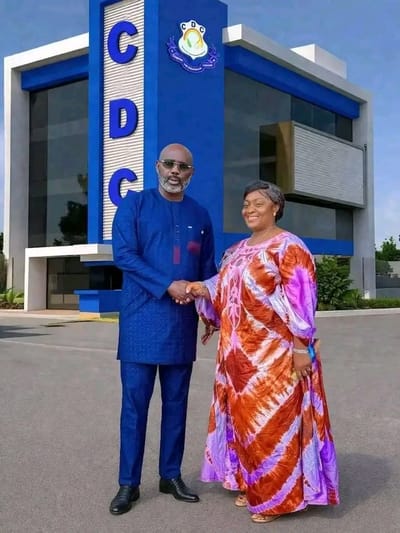
Three years before Liberia’s next presidential election, the political temperature is already rising. In taxi parks, classrooms, and CDC county offices, one conversation keeps resurfacing: the return of George Weah and Jewel Howard Taylor. From 2018 to 2024, the Weah-Taylor administration ran the country under the “Pro-Poor Agenda,” a platform that prioritized roads, free tuition, and direct engagement with ordinary Liberians. Supporters say those years set a standard they want to see again in 2029. They point to over 300km of paved roads, tuition-free access for more than 40,000 public university students, and youth programs that put young people at the center of governance. They also point to connection — leaders who visited markets, listened to women’s groups, and spoke the language of the streets. Now, as economic pressures mount in 2026, the call is growing louder. For many in the CDC and beyond, 2029 is not just another election. It’s about finishing unfinished business. It’s about bringing back the People’s Team
Read MoreCAJ Intl Mag #Maryland County
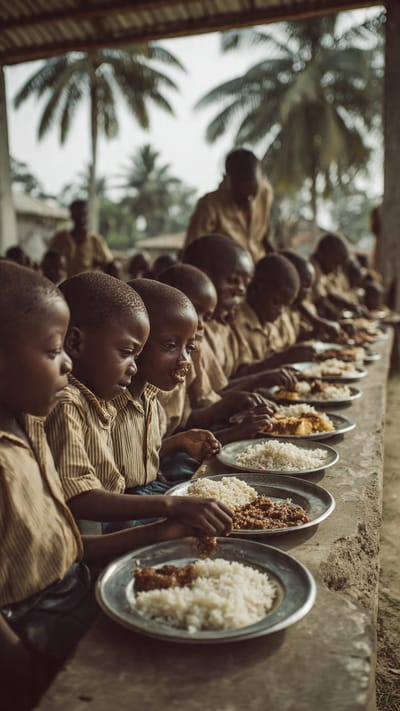
The new MoU between the Government of Liberia and WFP sets a clear direction: move school feeding to national ownership by 2028. But direction is not delivery. At the signing, officials celebrated expanded monitoring and “increased financing.” What they did not provide were the details that determine whether a child in Maryland or Lofa actually gets lunch next year. There was no published budget figure, no percentage of the 2026 national budget committed, and no guarantee that school feeding will be protected from cuts. Without that, the programme remains vulnerable every time the budget is debated. There was also no new plan for the hardest part of the job: logistics. The School Connect platform will now cover 300+ schools, but the agreement said nothing about trucks, fuel, storage, or the feeder roads that collapse in rainy season. An app can tell Monrovia that a storeroom is empty. It cannot deliver rice to it. Finally, there was no clarity on accountability. WFP noted that the pilot system had already flagged cases of food diversion. The Ministry did not say what happened to those cases, who was held responsible, or how parents and PTAs can report problems and expect action. Technology without enforcement and community oversight risks documenting failure instead of preventing it. Until government publishes the budget, fixes the last mile, and gives communities real power to audit meals, “national ownership” will remain a slogan. The meals that keep children in school depend on more than signatures. The MoU was signed. Now Liberians need to see the money, the trucks, and the consequences.
Read More