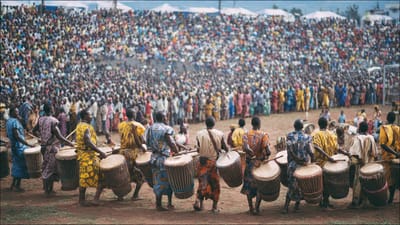
Every August, Bujumbura turns into a living museum. For 5 days, the Great Cultural Festival, Umuganuro, brings together Burundi’s 18 provinces, its diaspora, and guests from across Africa. Royal drums thunder in the stadium. Intore dancers spin. Weavers, potters and storytellers fill the grounds. In 2026, the festival marked 15 years since its revival and arrived at a moment of quiet confidence for Burundi: tourism is up, cultural diplomacy is now government policy, and young people are choosing tradition over imitation. This is the story of Burundi’s greatest celebration — where it came from, what it meant in 2026, and where it is headed.
Read MoreCAJ Intl Mag
7 min read
0 Comments
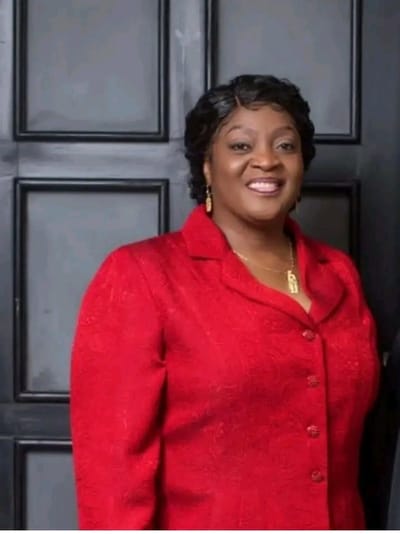
For six years, Bong County sat closer to the center of power than it ever had before. A daughter of Gbarnga served as Vice President of Liberia. A son of the county held the Deputy Speakership. In that rare alignment, the heartland was no longer asking to be remembered, it was being consulted. Roads were paved, classrooms opened, hospitals were equipped, and young people saw their names on government payrolls. It was a period when political arrangement translated into tangible projects across Gbarnga, Fuamah, Salala and beyond. Yet as the country turned toward a new administration, former Vice President Jewel Howard-Taylor is asking a harder question: did Bong protect that moment, or did partisan politics trade it away?
Read More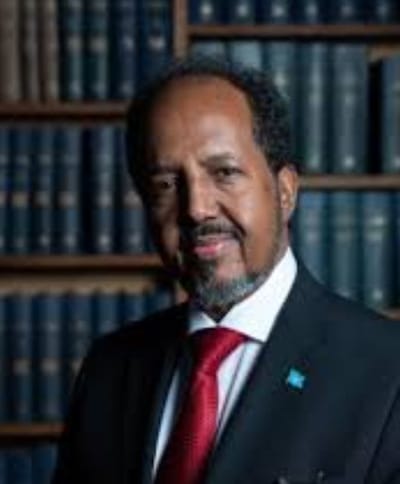
9 min read
0 Comments
In Somalia, politics lives in two different worlds. In Mogadishu’s Villa Somalia, it is debated in conference rooms over clan formulas and delayed elections. _Hassan Ibrahim, writing for CAJ International Magazine from Mogadishu,_ reports that in Baidoa’s IDP camps, in Bakara Market, and on the road to Jowhar, it is lived as hunger, displacement, and fear. For more than 17 million Somalis, every political fallout between the federal government and member states, every stalled policy, every security vacuum has a human cost. While leaders argue over power, ordinary people pay with empty markets, closed schools, and journeys for water. This is the story of Somalia’s political crisis, told not from parliament, but from the people bearing its weight.
Read More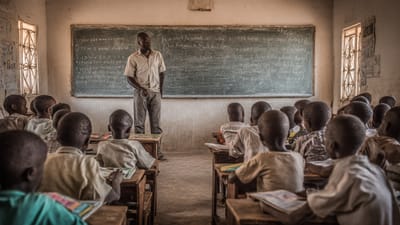
13 min read
0 Comments
In 2026, The Gambia’s classrooms look different from a decade ago. More children are enrolled, more girls are finishing basic school, and digital tools are slowly entering public schools. Government and partners have invested in free tuition, school feeding, and teacher training. Yet the gains are uneven. Overcrowded classes, teacher shortages, high dropout rates in senior secondary, and a skills mismatch persist. Parents in Brikama and rural Upper River still struggle with hidden costs. As the country pushes toward Vision 2050 and the SDG 4 targets, the question is no longer just access. It is quality, relevance, and what happens after the last bell rings.
Read More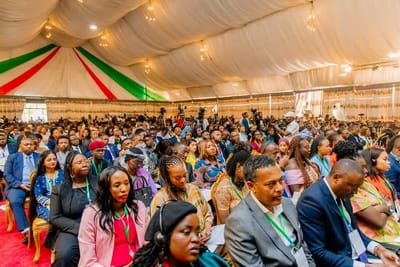
10 min read
0 Comments
9 min read
0 Comments
When George Weah took office in January 2018, Liberia expected more than politics as usual. A former world footballer turned president, he promised a "Pro-Poor" government focused on roads, education, and jobs. Six years later, his record is debated in markets, campuses, and on radio. Critics point to unmet goals. Supporters point to pavement. From the ELWA-RIA highway to tuition-free college, from keeping the peace through COVID to expanding electricity, the Weah administration left visible marks. This analysis makes the case for those achievements — not as perfection, but as a foundation. Because for many Liberians, progress is measured by what you can finally see, touch, and use.
Read More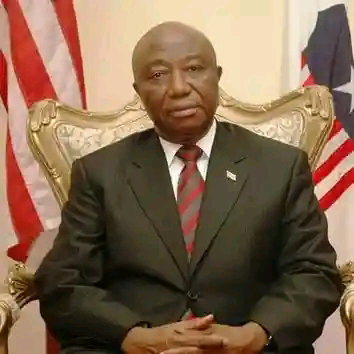
4 min read
0 Comments
President Boakai’s suspension of LDEA boss Fitzgerald Biago and nomination of Gen. Daniel Ziankahn was meant to show tough action on drugs. But with $336 million in cocaine seized in one month at RIA and Duazon, many Liberians are skeptical. To them, it looks like another cycle: big bust, reshuffle, then silence. Citizens now say enough is enough. They are demanding real answers, not just press releases, and have issued 4 questions the government must answer publicly before this case vanishes “like night smoke.”
Read More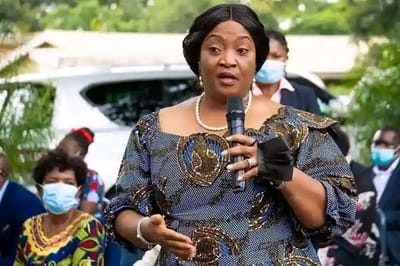
7 min read
0 Comments
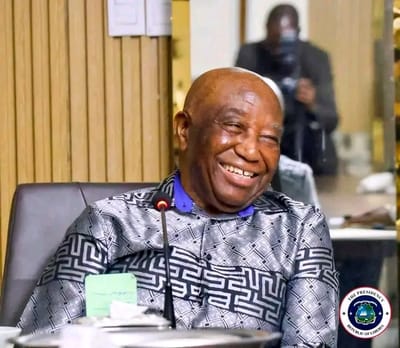
President Joseph Boakai sold Liberians a “Rescue Mission” anchored on education and health. On Friday, his administration announced a nationwide expansion of the Presidential Scholarship Program to public high schools, TVETs, universities and community colleges in all 15 counties. The pitch is familiar: merit, opportunity, and a lighter burden for families. But the announcement lands as the rescue promise frays elsewhere. At JFK Hospital, maternal fees have climbed past $200 and full deposits are now demanded before surgery. Health workers protest unpaid adjustments. Drug shelves sit empty. With only $200,000 budgeted annually and no new funding named, critics ask how the same money will now stretch across twice as many schools and students. For many Liberians, the scholarship sounds good on paper. The hospital bill at the door tells a different story
Read More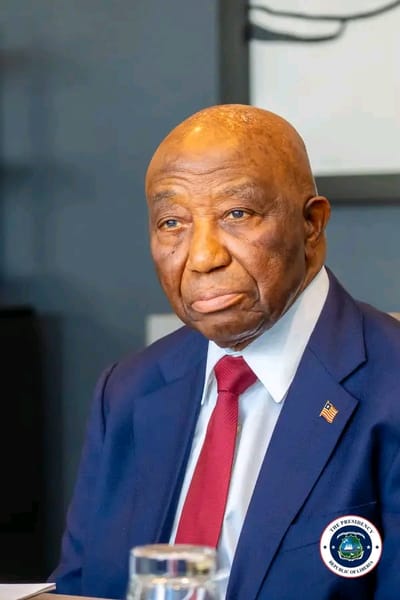
8 min read
0 Comments
President Joseph Boakai came to power promising a "Rescue Mission" for Liberia, with healthcare at the heart of it. Two years on, that promise is colliding with a painful reality. At JFK Hospital, maternal fees have jumped and full deposits are now demanded before surgery. Health workers protest unpaid adjustments while medicines vanish from shelves. A $124 million US health deal meant to give Liberia control is instead raising fears of less funding and weaker oversight. From market women to doctors and civil society, the criticism is growing. For many Liberians, the rescue they voted for now feels like another bill they cannot afford to pay.
Read More