CAJ Intl Mag
7 min read
0 Comments
21 min read
0 Comments
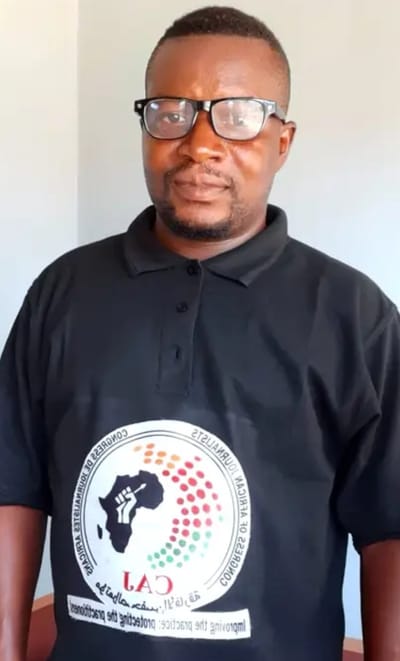
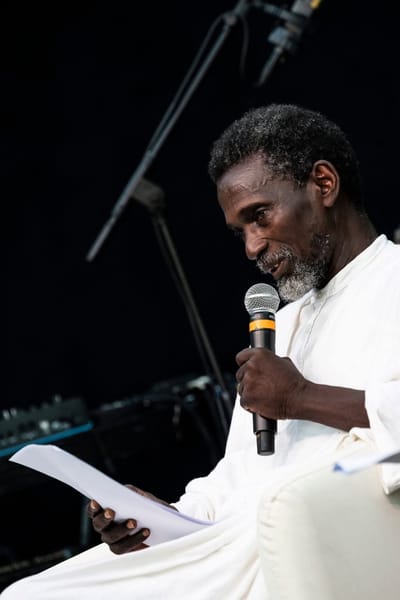
In the five years since the Congress of African Journalists (CAJ) was registered with the Corporate Affairs Commission in Nigeria, the organization has grown from an idea into a pan-African movement. Founded to defend press freedom, build journalist capacity, and ensure Africans tell African stories, CAJ has become a voice that governments, partners, and journalists across the continent are listening to. At the center of this work is Michael Adeboboye, Chairman of the Board of Trustees and Editor-in-Chief of CAJ International Magazine. An international journalist and advocate, Adeboboye has led CAJ through funding challenges, safety threats, and the push to build cross-border collaboration in an increasingly complex media landscape. In this exclusive interview with Dela Ahiawor, CAJ West Africa Bureau Editor, Adeboboye speaks on CAJ’s impact since 2020, the significance of the organization’s engagement with the European Union, and how the new International Media Cooperation Protocol will help African stories travel across languages and borders. He also addresses his recent appointment by the Worldwide Writers Association as Literature Cultural Ambassador for Nigeria, and how he plans to bridge journalism, literature, and cultural diplomacy.
Read More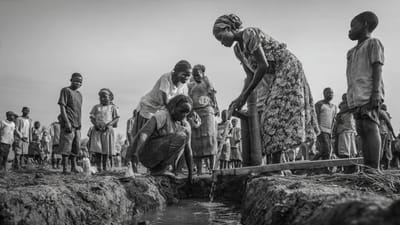
11 min read
0 Comments
In 2026, Luanda’s suburbs still see water trucks queue at dawn. In Huambo and Moxico, women walk kilometers with jerry cans. Yet in Talatona and parts of Benguela, taps now run daily. Angola’s government has spent billions of dollars since 2017 to change this story. New dams, treatment plants and rural boreholes are part of a push to meet SDG 6: clean water for all by 2030. The progress is real, but so are the gaps: broken pipes, unpaid bills, climate droughts, and millions still without safe water. This is how far Angola has come, how well services work today, and what must happen next.
Read More
7 min read
0 Comments
28 min read
0 Comments
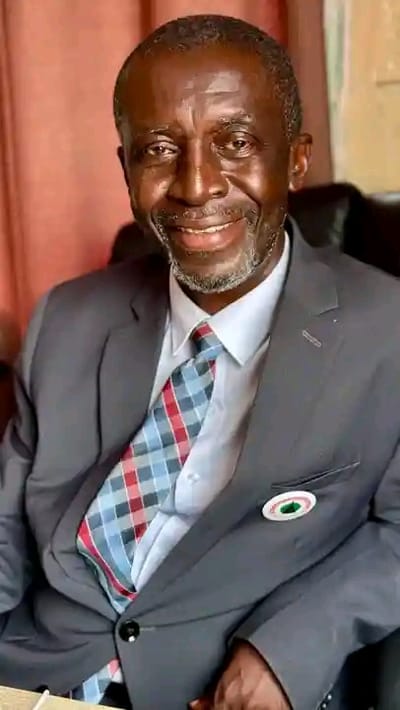
Tiawan Saye Gongloe is a Human Rights Lawyer, Former Solicitor General of Liberia, Former Minister of Labor, Former President of the Liberia National Bar Association, Assistant Professor of Law at the Louis Arthur Grimes School of Law, University of Liberia, Former Presidential Candidate, and Advocate for Good Governance, Constitutional Democracy, and the Rule of Law. Mr. Gongloe was a candidate in the 2023 Presidential and Legislative Elections and has long advocated for constitutional democracy, political inclusion, human rights, accountability, national reconciliation, and the rule of law in Liberia.
Read More
13 min read
0 Comments

4 min read
0 Comments
14 min read
0 Comments
11 min read
0 Comments
Eight years after the 2022 election and 16 years after the 2010 Constitution, Kenya is mid-way through its most ambitious reform era yet. From devolution and UHC to digital taxation and education overhaul, the state has tried to reset governance, the economy and social services. Some reforms have delivered visible infrastructure and services. Others have stalled under debt, poor implementation and public fatigue. As we enter 2026, with elections in 2027 looming, Kenyans are asking: what has actually changed, what is failing, and what comes next? This feature examines benefits, implementation, shortcomings and criticisms across key sectors, and what to expect through 2030.
Read More
18 min read
0 Comments
In the bustling streets of Douala, Yaoundé, Buea and border towns like Bamenda and Kousséri, the trade of sex for money persists in plain sight and in the shadows. Prostitution in Cameroon is not a new phenomenon, but it reflects deeper social and economic fractures: poverty, unemployment, migration, and shifting cultural norms. While the law criminalizes aspects of the trade, enforcement is uneven and debate is growing across religious, health, legal and civil society sectors. This feature examines what drives the industry, how the law treats it, the human and public health consequences, what the government is doing, and how Cameroonians are reacting to a problem that touches families, communities and the nation’s image.
Read More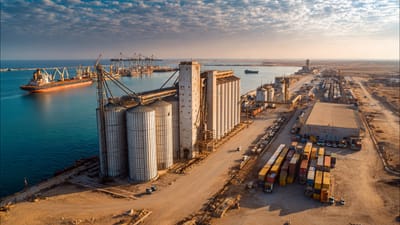
16 min read
0 Comments
With less than 5% of its land arable and a population growing by 2 million a year, Egypt is betting big on farming. In FY2025/26 the state has committed EGP 144.8 billion to agriculture and irrigation — EGP 17.5 billion public and EGP 127.4 billion targeted from private investors. The plan centers on desert reclamation, drip irrigation, higher yields, and a $5 billion export push. For the 18% of Egyptians who work the land, the question is simple: will these budgets and mega-projects lower food prices and raise incomes, or will they widen the gap between Nile villages and New Delta farms?
Read More
