In the wake of Zambia’s 2026 general elections, the Tonse Alliance has broken ranks with sections of the opposition calling for a legal challenge to the presidential results. Alliance Secretary General Dr Chris Zumani Zimba says petitioning the outcome would be “a big mistake” that risks deepening national divisions, and is instead urging leaders to choose dialogue, healing, and reconciliation. His stance comes as official results confirm President Hakainde Hichilema’s second term with a margin of over 1.1 million votes, setting the stage for a tense post-election period focused on peace rather than court battles
Read MoreCAJ Intl Mag

2 min read
0 Comments
5 min read
0 Comments
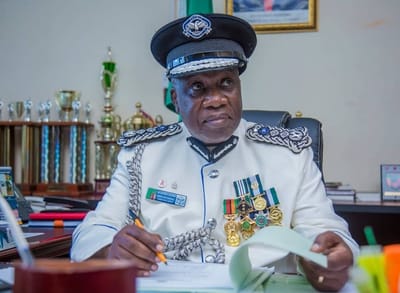
ZAMBIA — Two days after the August 13 General Elections, Zambia’s top opposition figures have been pulled into a sweeping national security probe. The Zambia Police Service on August 20 summoned Brian Mundubile and Makebi Zulu, senior leaders of the National Reconciliation Party for Unity and Prosperity (NRPUP), for questioning over what Inspector General Graphel Musamba described as “serious national security threats.” Julius M. phiri, CAJ International Magazine Correspondent in Zambia wites that according to a police statement, investigations — being conducted with other law enforcement agencies — center on alleged activities that could threaten or undermine national security, including suspected terrorism and terrorist financing. Some of those activities were reportedly linked to premises owned or managed by the two men. Musamba said call-outs were served to the leaders’ lawyers, and that authorities are aware the pair have sought refuge with an international organization. Government, he added, has assured that organization of due process and protection of fundamental rights. The summons come as President Hakainde Hichilema was declared election winner, though police did not tie the probe directly to the vote.
Read More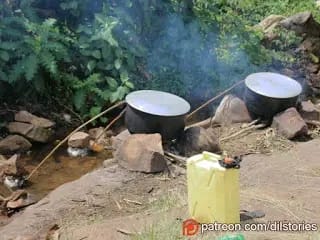
14 min read
0 Comments
In Kagera, they call it Gongo. In homes across Tanzania’s Lake Zone and beyond, it is lubisi, pombe ya moshi, or local brandy — banana and sorghum spirits distilled for generations to pay school fees, cover hospital bills, and keep small businesses alive. But despite being woven into rural life, Tanzania’s traditional liquor industry remains largely underground. Classified as illicit under the Traditional Liquor Control of Distillation Act, producers operate in secrecy, unable to access finance, training, or formal markets. The result is a hidden rural economy with huge potential — and serious risks. Now, residents and former Minister Charles Mwijage are calling for change. Their argument is straightforward: the trade already exists. Instead of criminalizing it, Tanzania should regulate it, improve safety, and turn it into jobs, tax revenue, and a stable market for surplus bananas, sorghum, cassava and maize. The case for formalisation is as much about public health as economics. Unregulated spirits can be contaminated with methanol, causing blindness and death. Without standards, no one can test, trace, or label what people drink. From Uganda’s Waragi to Kenya’s Changaa and Ghana’s Akpeteshie, neighbors have shown regulated traditional spirits can work. The question for Tanzania is not whether people will brew and drink — they have for decades. The question is whether the country will keep the sector in the shadows, or bring it into a safe, lawful, and productive economy writes Mutayoba Arbogast, CAJ International Magazine Correspondent in Tanzania
Read More
8 min read
0 Comments
Three years before Liberia’s next presidential election, the political temperature is already rising. In taxi parks, classrooms, and CDC county offices, one conversation keeps resurfacing: the return of George Weah and Jewel Howard Taylor. From 2018 to 2024, the Weah-Taylor administration ran the country under the “Pro-Poor Agenda,” a platform that prioritized roads, free tuition, and direct engagement with ordinary Liberians. Supporters say those years set a standard they want to see again in 2029. They point to over 300km of paved roads, tuition-free access for more than 40,000 public university students, and youth programs that put young people at the center of governance. They also point to connection — leaders who visited markets, listened to women’s groups, and spoke the language of the streets. Now, as economic pressures mount in 2026, the call is growing louder. For many in the CDC and beyond, 2029 is not just another election. It’s about finishing unfinished business. It’s about bringing back the People’s Team
Read More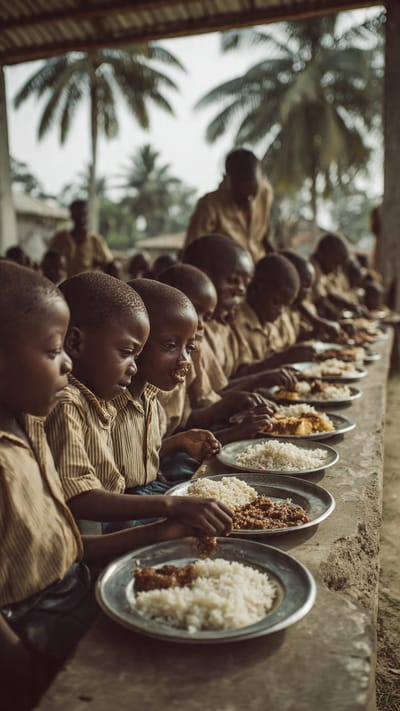
8 min read
0 Comments
The new MoU between the Government of Liberia and WFP sets a clear direction: move school feeding to national ownership by 2028. But direction is not delivery. At the signing, officials celebrated expanded monitoring and “increased financing.” What they did not provide were the details that determine whether a child in Maryland or Lofa actually gets lunch next year. There was no published budget figure, no percentage of the 2026 national budget committed, and no guarantee that school feeding will be protected from cuts. Without that, the programme remains vulnerable every time the budget is debated. There was also no new plan for the hardest part of the job: logistics. The School Connect platform will now cover 300+ schools, but the agreement said nothing about trucks, fuel, storage, or the feeder roads that collapse in rainy season. An app can tell Monrovia that a storeroom is empty. It cannot deliver rice to it. Finally, there was no clarity on accountability. WFP noted that the pilot system had already flagged cases of food diversion. The Ministry did not say what happened to those cases, who was held responsible, or how parents and PTAs can report problems and expect action. Technology without enforcement and community oversight risks documenting failure instead of preventing it. Until government publishes the budget, fixes the last mile, and gives communities real power to audit meals, “national ownership” will remain a slogan. The meals that keep children in school depend on more than signatures. The MoU was signed. Now Liberians need to see the money, the trucks, and the consequences.
Read More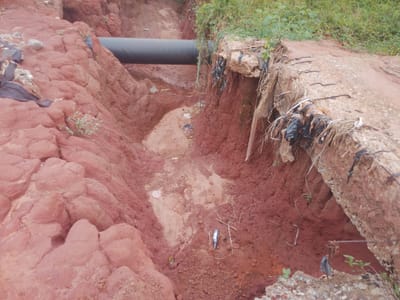
11 min read
0 Comments
Obada Oko began as an Owu farm settlement and grew into an industrial gateway in Ewekoro, home to Lafarge, Dangote and thriving businesses like Ololade Mr. Money Hotel and King Ola Frozen Foods. Yet at its heart, the complex junction leading to the dam and "new city area" has become a trap. During rain it turns to mud, during dry season to potholes — cutting off trade, trapping residents, and stalling the community’s growth.
Read More
29 min read
0 Comments
8 min read
0 Comments
A column by CAJ International Magazine Editor in Chief, Michael Adeboboye where he expresses opinion on diverse issues across continents
Read More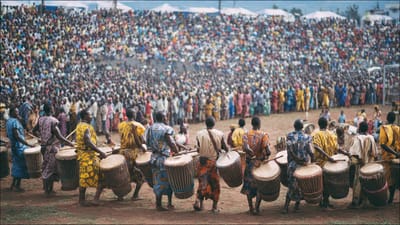
12 min read
0 Comments
Every August, Bujumbura turns into a living museum. For 5 days, the Great Cultural Festival, Umuganuro, brings together Burundi’s 18 provinces, its diaspora, and guests from across Africa. Royal drums thunder in the stadium. Intore dancers spin. Weavers, potters and storytellers fill the grounds. In 2026, the festival marked 15 years since its revival and arrived at a moment of quiet confidence for Burundi: tourism is up, cultural diplomacy is now government policy, and young people are choosing tradition over imitation. This is the story of Burundi’s greatest celebration — where it came from, what it meant in 2026, and where it is headed.
Read More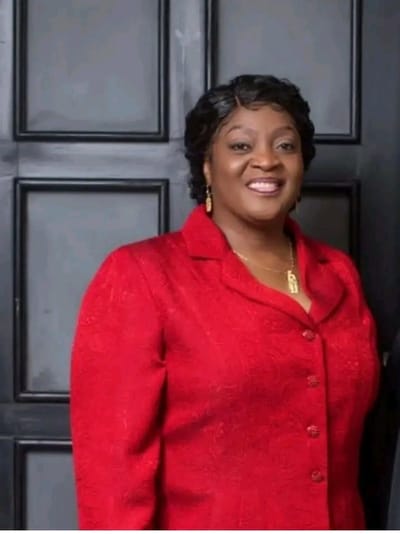
7 min read
0 Comments
For six years, Bong County sat closer to the center of power than it ever had before. A daughter of Gbarnga served as Vice President of Liberia. A son of the county held the Deputy Speakership. In that rare alignment, the heartland was no longer asking to be remembered, it was being consulted. Roads were paved, classrooms opened, hospitals were equipped, and young people saw their names on government payrolls. It was a period when political arrangement translated into tangible projects across Gbarnga, Fuamah, Salala and beyond. Yet as the country turned toward a new administration, former Vice President Jewel Howard-Taylor is asking a harder question: did Bong protect that moment, or did partisan politics trade it away?
Read More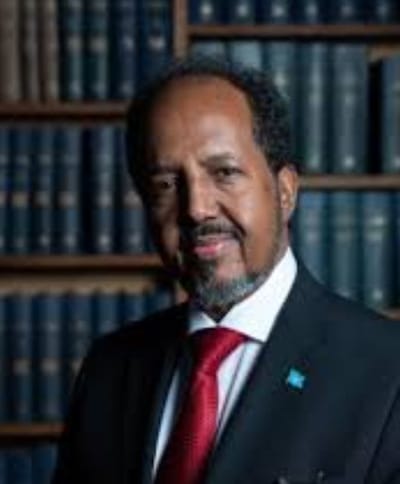
9 min read
0 Comments
In Somalia, politics lives in two different worlds. In Mogadishu’s Villa Somalia, it is debated in conference rooms over clan formulas and delayed elections. _Hassan Ibrahim, writing for CAJ International Magazine from Mogadishu,_ reports that in Baidoa’s IDP camps, in Bakara Market, and on the road to Jowhar, it is lived as hunger, displacement, and fear. For more than 17 million Somalis, every political fallout between the federal government and member states, every stalled policy, every security vacuum has a human cost. While leaders argue over power, ordinary people pay with empty markets, closed schools, and journeys for water. This is the story of Somalia’s political crisis, told not from parliament, but from the people bearing its weight.
Read More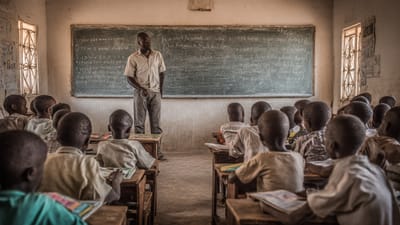
13 min read
0 Comments
In 2026, The Gambia’s classrooms look different from a decade ago. More children are enrolled, more girls are finishing basic school, and digital tools are slowly entering public schools. Government and partners have invested in free tuition, school feeding, and teacher training. Yet the gains are uneven. Overcrowded classes, teacher shortages, high dropout rates in senior secondary, and a skills mismatch persist. Parents in Brikama and rural Upper River still struggle with hidden costs. As the country pushes toward Vision 2050 and the SDG 4 targets, the question is no longer just access. It is quality, relevance, and what happens after the last bell rings.
Read More