Features

9 min read
1 Comments

13 min read
0 Comments
When President Joseph Nyuma Boakai stood before the nation in mid-2026, Liberia was reeling. In the span of five weeks, security forces had intercepted two of the largest cocaine shipments in the country’s history: 238 kilograms hidden in seasoning-cube cargo at Roberts International Airport in June, and nearly four metric tons worth an estimated $300 million in Duazon in July. The scale of the seizures forced the government into crisis mode. Boakai’s response was swift and public. He told Liberians there would be “no selective justice, political protection, sacred cows.” Within days, his administration dismissed and suspended more than a dozen officials. The list included senior figures at Roberts International Airport, a police commissioner overseeing criminal investigations and Interpol liaison work, and a deputy director at the National Security Agency. Two police officers were also fired over allegations they used government vehicles to move narcotics across Bomi Highway. In a move that signaled the dragnet would reach the highest levels, authorities arrested and charged former Vice President Jewel Howard-Taylor with unlicensed importation, solicitation, and conspiracy. The administration insisted the case was “strictly a matter of law enforcement” and not political retaliation. But 132 days later, the promise of equal accountability is being tested in the court of public opinion. On talk radio in Monrovia, in newspaper columns, and across social media, one question keeps resurfacing: is justice being applied to everyone, or only to some? The answer depends on where you look. What is verified is clear. The drug busts happened. The dismissals happened. The arrest and prosecution of a former vice president happened. What is disputed is the process that follows. The president’s own household has not escaped scrutiny. In late July, a viral video sought to link Boakai’s son, Joseph Boakai Jr., to an alleged cartel. He denied the claims and invited investigators to present evidence. Government officials have also rejected any link between the president’s son and the seizures. Yet there has been no arrest, no charge, and no independent report clearing him. For critics, “denial is not investigation,” and the absence of visible due process fuels the perception of a double standard. Civil society has been the loudest voice pushing for more. The Women NGOs Secretariat of Liberia, WONGOSOL, praised the dismissals but warned that “administrative removals alone will not upend the criminal networks threatening Liberia’s security.” Executive Director Esther S. Davis Yango said the firings must be the beginning, not the end, and called for full prosecutions. As of August 2026, charge sheets and court dockets for most of the dismissed airport, NSA, and LNP officials have not been made public. The same credibility gap extends to legacy cases. In his first cabinet meeting of 2026, Boakai ordered investigations into “mysterious deaths, including the missing boys and the deaths of auditors.” Six months on, there have been few updates and no indictments. Supporters say Boakai has done more than any recent government to confront drug trafficking and hold powerful people to account. Critics say personnel changes are being confused with justice, and that without transparent prosecutions and independent oversight, the “no sacred cows” pledge remains a slogan, not a reality. As Liberia enters the next 90 days, the administration faces a choice: release the evidence of equal justice in courtrooms, or continue to make it in press conferences.
Read More
12 min read
0 Comments
For 132 days, SJF President Raju Lama took South Asian journalism to the UN, Washington, and global newsrooms. The result: a new 3-year pact with ICJ and the start of direct talks with African journalists. From Kathmandu to the world — a South-South media alliance is forming
Read More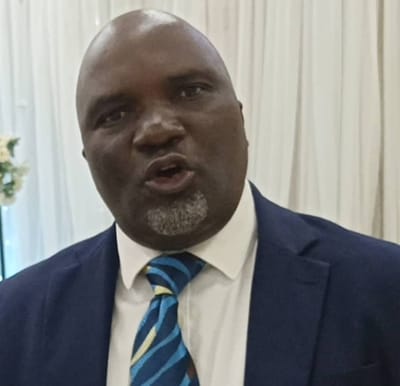
6 min read
1 Comments
*Intro:* Days after President Hakainde Hichilema was declared winner of Zambia’s August 13, 2026 general elections, BuyZed Campaign Founder Ambassador Evans Kazonga Ng’oma has urged Zambians to move past politics and focus on nation-building. Speaking from Lundazi, Ng’oma called on government to govern for all citizens, the opposition to remain responsible, and the country to reject violence, militancy, and misinformation. His message: “Political competition is temporary. Zambia is permanent.”
Read More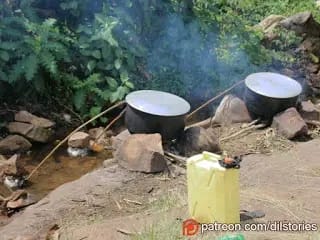
14 min read
0 Comments
In Kagera, they call it Gongo. In homes across Tanzania’s Lake Zone and beyond, it is lubisi, pombe ya moshi, or local brandy — banana and sorghum spirits distilled for generations to pay school fees, cover hospital bills, and keep small businesses alive. But despite being woven into rural life, Tanzania’s traditional liquor industry remains largely underground. Classified as illicit under the Traditional Liquor Control of Distillation Act, producers operate in secrecy, unable to access finance, training, or formal markets. The result is a hidden rural economy with huge potential — and serious risks. Now, residents and former Minister Charles Mwijage are calling for change. Their argument is straightforward: the trade already exists. Instead of criminalizing it, Tanzania should regulate it, improve safety, and turn it into jobs, tax revenue, and a stable market for surplus bananas, sorghum, cassava and maize. The case for formalisation is as much about public health as economics. Unregulated spirits can be contaminated with methanol, causing blindness and death. Without standards, no one can test, trace, or label what people drink. From Uganda’s Waragi to Kenya’s Changaa and Ghana’s Akpeteshie, neighbors have shown regulated traditional spirits can work. The question for Tanzania is not whether people will brew and drink — they have for decades. The question is whether the country will keep the sector in the shadows, or bring it into a safe, lawful, and productive economy writes Mutayoba Arbogast, CAJ International Magazine Correspondent in Tanzania
Read More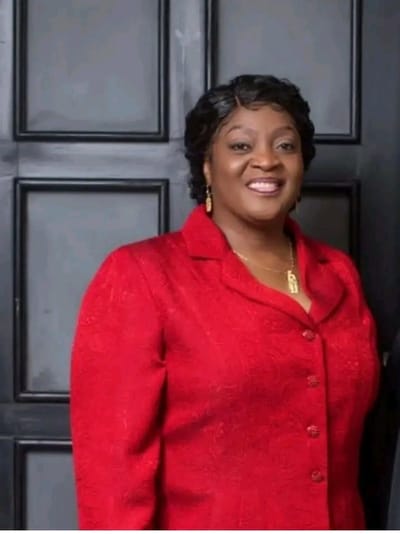
7 min read
0 Comments
For six years, Bong County sat closer to the center of power than it ever had before. A daughter of Gbarnga served as Vice President of Liberia. A son of the county held the Deputy Speakership. In that rare alignment, the heartland was no longer asking to be remembered, it was being consulted. Roads were paved, classrooms opened, hospitals were equipped, and young people saw their names on government payrolls. It was a period when political arrangement translated into tangible projects across Gbarnga, Fuamah, Salala and beyond. Yet as the country turned toward a new administration, former Vice President Jewel Howard-Taylor is asking a harder question: did Bong protect that moment, or did partisan politics trade it away?
Read More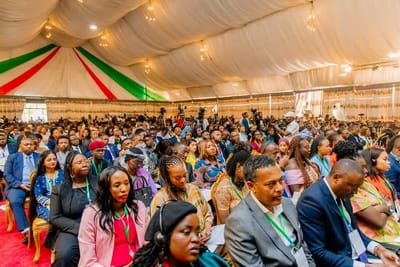
9 min read
0 Comments
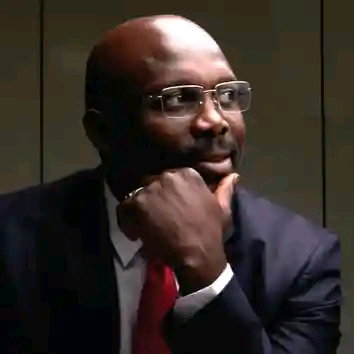
When George Weah took office in January 2018, Liberia expected more than politics as usual. A former world footballer turned president, he promised a "Pro-Poor" government focused on roads, education, and jobs. Six years later, his record is debated in markets, campuses, and on radio. Critics point to unmet goals. Supporters point to pavement. From the ELWA-RIA highway to tuition-free college, from keeping the peace through COVID to expanding electricity, the Weah administration left visible marks. This analysis makes the case for those achievements — not as perfection, but as a foundation. Because for many Liberians, progress is measured by what you can finally see, touch, and use.
Read More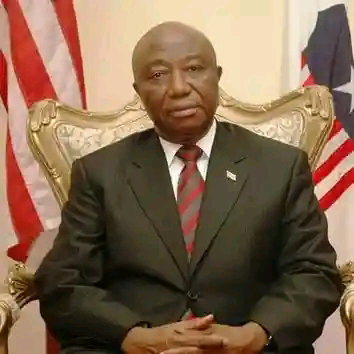
4 min read
0 Comments
President Boakai’s suspension of LDEA boss Fitzgerald Biago and nomination of Gen. Daniel Ziankahn was meant to show tough action on drugs. But with $336 million in cocaine seized in one month at RIA and Duazon, many Liberians are skeptical. To them, it looks like another cycle: big bust, reshuffle, then silence. Citizens now say enough is enough. They are demanding real answers, not just press releases, and have issued 4 questions the government must answer publicly before this case vanishes “like night smoke.”
Read More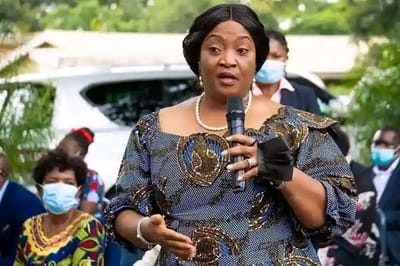
7 min read
0 Comments
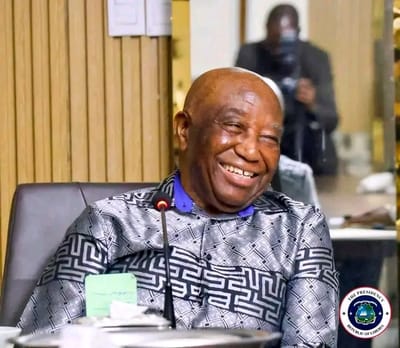
President Joseph Boakai sold Liberians a “Rescue Mission” anchored on education and health. On Friday, his administration announced a nationwide expansion of the Presidential Scholarship Program to public high schools, TVETs, universities and community colleges in all 15 counties. The pitch is familiar: merit, opportunity, and a lighter burden for families. But the announcement lands as the rescue promise frays elsewhere. At JFK Hospital, maternal fees have climbed past $200 and full deposits are now demanded before surgery. Health workers protest unpaid adjustments. Drug shelves sit empty. With only $200,000 budgeted annually and no new funding named, critics ask how the same money will now stretch across twice as many schools and students. For many Liberians, the scholarship sounds good on paper. The hospital bill at the door tells a different story
Read More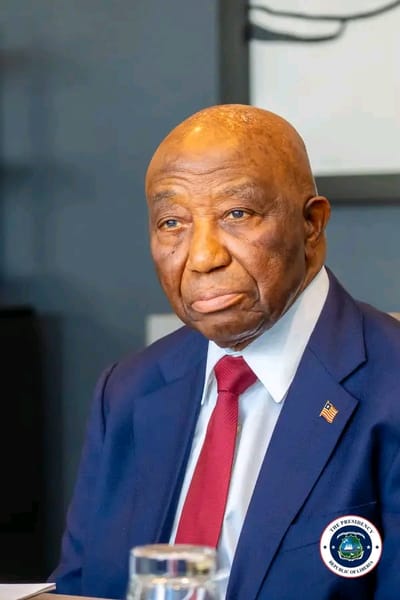
8 min read
0 Comments
President Joseph Boakai came to power promising a "Rescue Mission" for Liberia, with healthcare at the heart of it. Two years on, that promise is colliding with a painful reality. At JFK Hospital, maternal fees have jumped and full deposits are now demanded before surgery. Health workers protest unpaid adjustments while medicines vanish from shelves. A $124 million US health deal meant to give Liberia control is instead raising fears of less funding and weaker oversight. From market women to doctors and civil society, the criticism is growing. For many Liberians, the rescue they voted for now feels like another bill they cannot afford to pay.
Read More